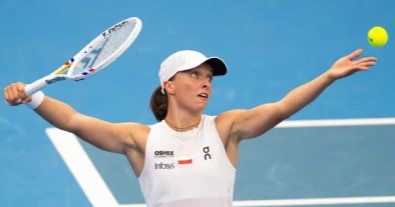
The move is bold and heavy with symbolism. Iga Swiatek has confirmed the addition of Francisco Roig to her coaching team, barely nine days after parting ways with Wim Fissette. Nadal's long-time right-hand man for seventeen years becomes the new tactical architect for the Polish star, with a clear mission: get the six-time Grand Slam champion back on track in what has been a disappointing 2026 season so far.
Swiatek has yet to reach a single semifinal this year. After a second-round exit at the Miami Open, she moved quickly and decisively. Rather than taking time to reflect, she reached out to Roig immediately. The pair met at the Rafa Nadal Academy in Mallorca for a week of intensive training before Stuttgart.
Roig's profile fits the challenge ahead perfectly. The 54-year-old Spaniard worked alongside Nadal from 2005 to 2022, first as an assistant coach and later as lead coach during the final seasons. His clay-court expertise is unmatched on the tour. Since leaving Team Nadal, he has worked with Matteo Berrettini, Emma Raducanu, and Giovanni Mpetshi Perricard, demonstrating his ability to adapt to vastly different playing styles.
The decision has predictably drawn reactions. Some observers have called the timing harsh, noting that Fissette learned about the split through the media. Others see the hallmark of a fierce competitor who refuses to let a season slip away. Swiatek herself has not publicly addressed the circumstances of the separation, preferring to focus on the work in Mallorca.
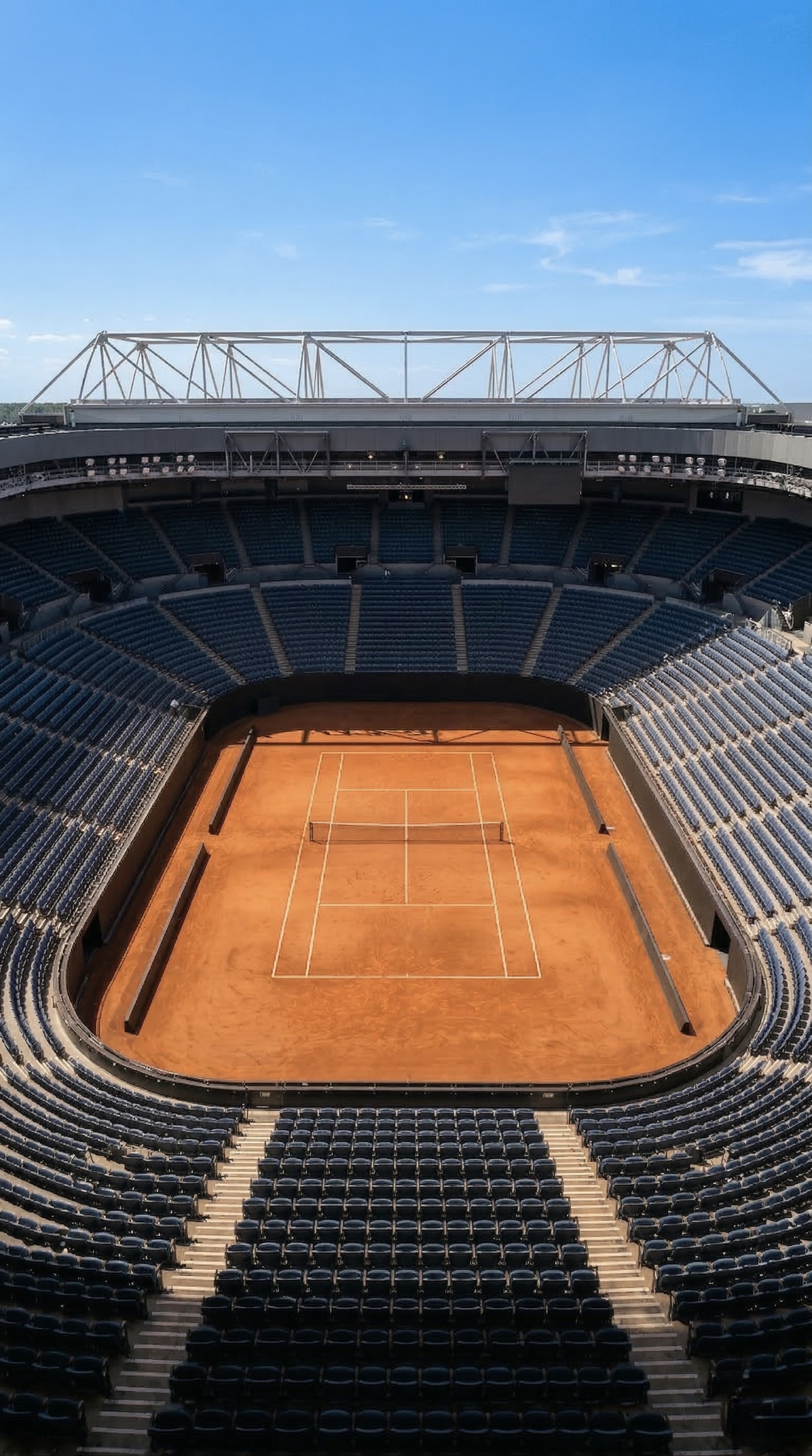
The first test comes as early as Monday at the Porsche Tennis Grand Prix in Stuttgart, where Swiatek is seeded third behind Elena Rybakina and Coco Gauff. The Pole won the title here in 2022 and 2023, and the indoor clay of the Porsche Arena could serve as the perfect proving ground for this new partnership. The absence of Aryna Sabalenka, who withdrew after her Indian Wells-Miami double, opens the draw and strengthens Swiatek's ambitions.
The question buzzing around the tour is straightforward: can Roig bring Swiatek what Nadal possessed naturally on clay — that ability to turn every rally into a physical battle, that clutch-point management that has sometimes eluded the Pole in high-pressure moments? The first answers will come from Stuttgart, then Madrid and Roland-Garros. The clay window is short, but it is precisely on this surface that Swiatek built her legacy. With Roig in her corner, she has an asset no one else on tour can claim: the man who watched Nadal win fourteen times at Porte d'Auteuil.