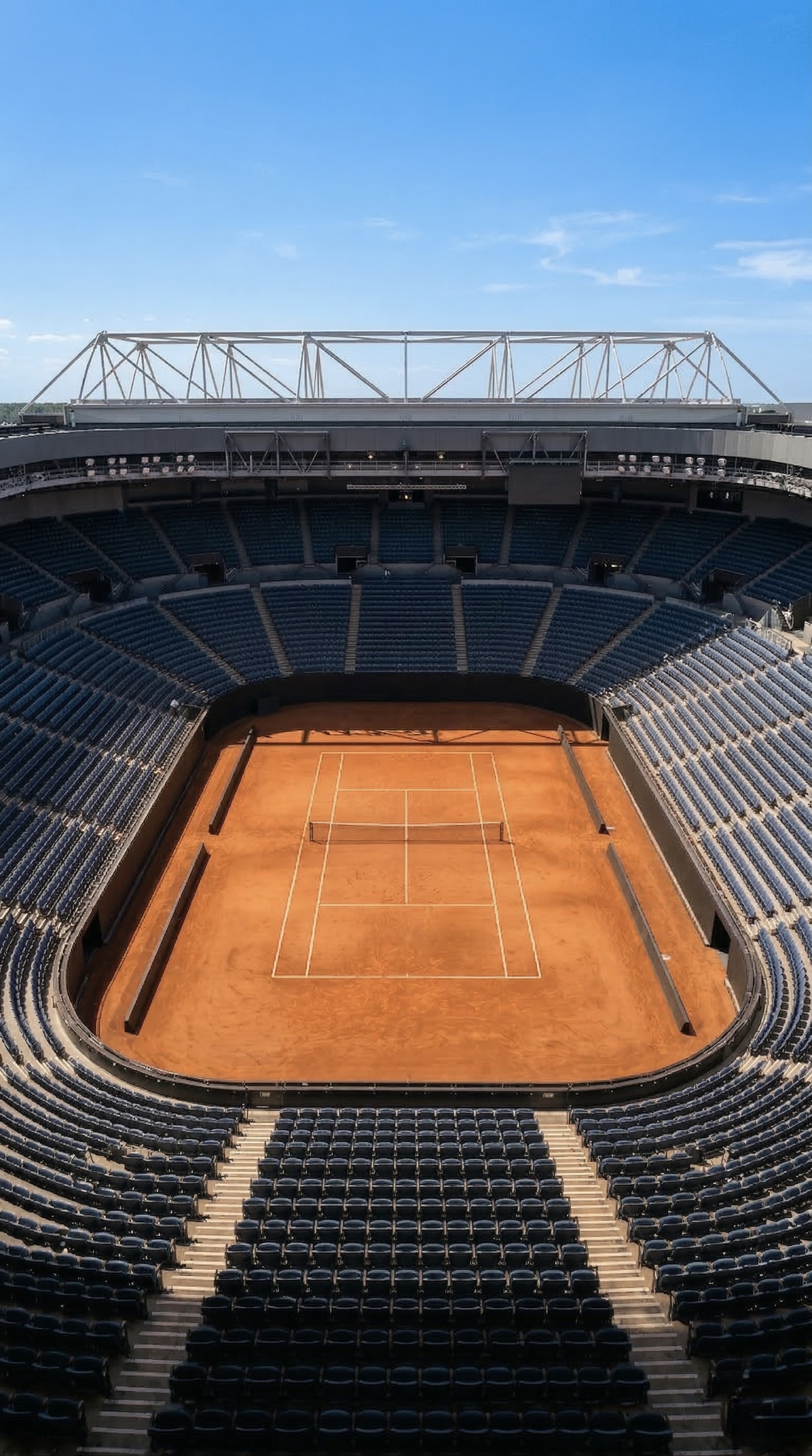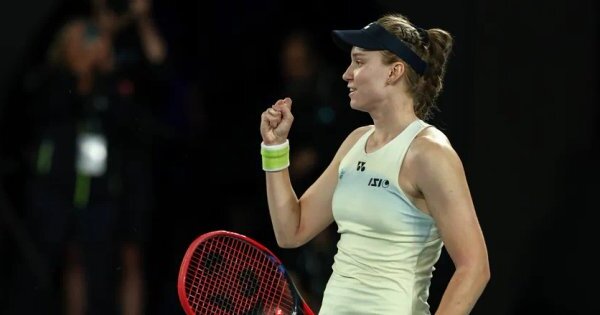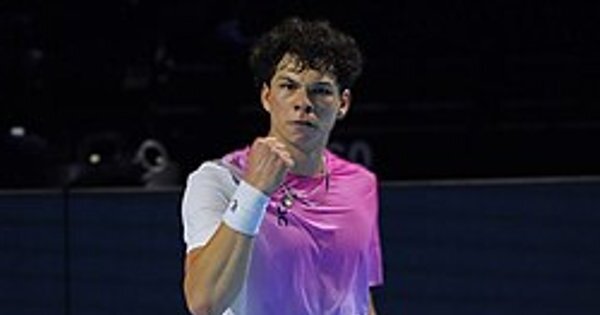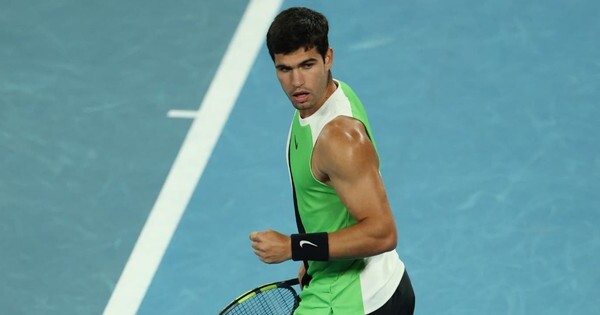
While Carlos Alcaraz tends to his wrist and Jannik Sinner settles into another spell as world No. 1, the quieter question in Spain is: who picks up the torch? Rafael Jodar's run at the Barcelona Open, becoming the first Spanish teen quarter-finalist at this ATP 500 since Alcaraz in 2022 and 2023, acts as a revealer. But it would be a mistake to reduce the new wave to a single name.
The Madrid-based player has cracked the Top 60 at nineteen, almost mirroring the timeline Alcaraz followed in Murcia. A maiden ATP title in Marrakech, a seven-match clay winning streak, and a Barcelona draw swept through without dropping a set: the trajectory speaks for itself. The parallel must still be handled with care. Jodar leans more on early baseline strike patterns than on the versatility that defines Alcaraz. He builds points around a placed first serve, an aggressive topspin forehand and footwork that impresses by its cleanliness for such a young player.
Younger yet equally watched, Martin Landaluce is carrying the torch from Madrid's academy pipeline. A former US Open junior champion, he earned notice recently by ousting Lorenzo Musetti in Monte-Carlo with razor-sharp aggressive tennis. His ranking remains fragile around the Top 120, but the style — heavy-forehand left-hander, efficient serve for his size — is already making scouts talk. The contrast with Jodar is clear: where the Madrilenian plays a minimalist game, Landaluce reaches for raw power.
Also nineteen, Daniel Merida Aguilar is ticking steadily along the Challenger tour. A European under-sixteen champion, the Córdoba player builds clearly on clay, wins long rallies, and relies on an unusually clean two-handed backhand. He has just entered the world's top hundred and will make his Grand Slam qualifying debut in Paris in six weeks. Pablo Llamas Ruiz, at twenty-two, slots into a slightly different space. Winner on the Sardinia and Cordenons Challengers in 2024, he confirmed his Top 100 breakthrough this season and will play Madrid.
A step up, , despite being past the teen bracket, remains the bridge between the thirty-something generation and the Alcaraz wave. His Top 30 regular presence at Monte-Carlo, Madrid and Rome anchors the continuity. The Malaga-born player keeps a technical reference role, particularly valuable on clay where his variations evoke David Ferrer's best years.
The Real Federación Española de Tenis is capitalising on the renewal. The Villena and Alcalá de Henares centres have multiplied joint training camps since 2023. The results are coming: four Spaniards in the ATP Top 100, several women in the WTA Top 300, and a sharply falling average age across the contingent. The infrastructure mirrors the blueprint from the Nadal era, enriched with video data and individualised physical programmes that bear the signature of the new technical direction.
Alcaraz's brief absence does not yet shake the rankings, but it lights up the depth chart. If Jodar confirms against on Friday, he will post a landmark week. Landaluce, Merida, Llamas Ruiz follow behind, at different maturation stages. The question is no longer whether Spain will have a successor to Alcaraz, but how many contenders it will line up around 2028-2030.