Tennis has a capacity unique among sports for producing stories that fiction would not dare to write. What happened at the 2025 Rolex Shanghai Masters, from October 5 through 12, now belongs to that category of the genuinely unbelievable. Valentin Vacherot, ranked 204th in the world, a qualifier, Monegasque by nationality and temperament, won the Shanghai Masters 1000 by defeating his own cousin, Arthur Rinderknech, in the final. The score, 4-6, 6-3, 6-3, tells only a fraction of the story.
You have to go back to qualifying to grasp the scale of what happened. Vacherot was not even guaranteed a spot in the qualifying draw. He entered as an alternate and had to wait for a withdrawal to open the door. In the first round of qualifying, he outlasted Nishesh Basavareddy 6-7(7), 6-4, 6-2, a match that could have gone either way. Then against Liam Draxl in the second qualifying round, he found himself two points from defeat before prevailing 4-6, 7-6(5), 6-4 in a contest that tested every fiber of his mental resistance. Without that miraculous survival against the Canadian, nothing that followed would have existed.
In the main draw, Vacherot began by dispatching Laslo Djere 6-3, 6-4, a solid win that nobody noticed in the noise of a Masters 1000 where the cameras follow the favorites. It was in the second round that the tennis world started paying attention. Alexander Bublik, the fourteenth seed and a player as talented as he is unpredictable, fell 3-6, 6-3, 6-4. Vacherot had lost the first set and could have folded. Instead he found resources that were, until that week, unknown to him at this level of competition.
The third round against Tomas Machac, the twentieth seed, ended unexpectedly. Vacherot was leading 6-0, 3-1 when the Czech was forced to retire. That devastating first-set score, six games to love against a top-25 player, provided the first genuine demonstration of what Vacherot was capable of when every element of his game fired simultaneously.
The fourth round against Tallon Griekspoor, the twenty-seventh seed, reverted to the comeback script. A set down, Vacherot turned the match around 4-6, 7-6(1), 6-4, extending a streak of victories from behind that was becoming the signature of his tournament. The Dutchman, a physical and combative player, did not disgrace himself, but he ran into an opponent animated by a force that transcended the logic of rankings.
In the quarterfinals, Holger Rune, the tenth seed, became the latest casualty of this vertiginous ascent. The Dane, one of the most gifted players of his generation, held the first set before falling 2-6, 7-6(4), 6-4. Five consecutive wins over seeded opponents, and the tennis world was beginning to realize that something historic was unfolding.
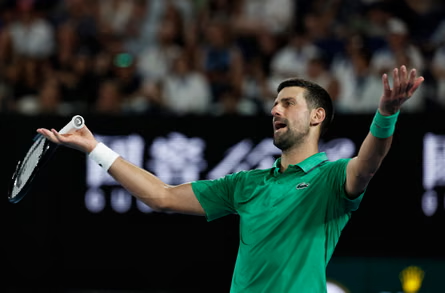
Then Djokovic. The semifinal that shook Shanghai. , twenty-four Grand Slam titles, the man many consider the greatest player in history, was beaten 6-3, 6-4 by a player ranked 204th in the world. The Serbian, visibly hampered physically, never found his rhythm against a Vacherot who struck every ball with the intensity of someone with absolutely nothing to lose. There is immense freedom in that position, the freedom of the player nobody expects, and Vacherot exploited it with remarkable tactical intelligence.
Running parallel to Vacherot's run was his cousin Arthur Rinderknech's equally remarkable journey through the other half of the draw. The Frenchman, ranked thirty-third in the world, began by dispatching Hamad Medjedovic, who retired hurt. Then came the result that launched his week: a victory over Alexander Zverev, the world No. 2, by a score of 4-6, 6-3, 6-2. Rinderknech had beaten the German before, but replicating it at a Masters 1000 confirmed his capacity to elevate his game when the stakes are highest.
In the third round, Rinderknech overcame Jiri Lehecka, the nineteenth seed, then dismissed Felix Auger-Aliassime in the quarterfinals with a dominant 6-3, 6-4 performance. In the semifinals, Daniil Medvedev, the world No. 5, succumbed 4-6, 6-2, 6-4. Rinderknech had beaten four top-20 players in a single week, an achievement that would have been celebrated as the performance of the tournament if his own cousin had not managed something even more extraordinary.
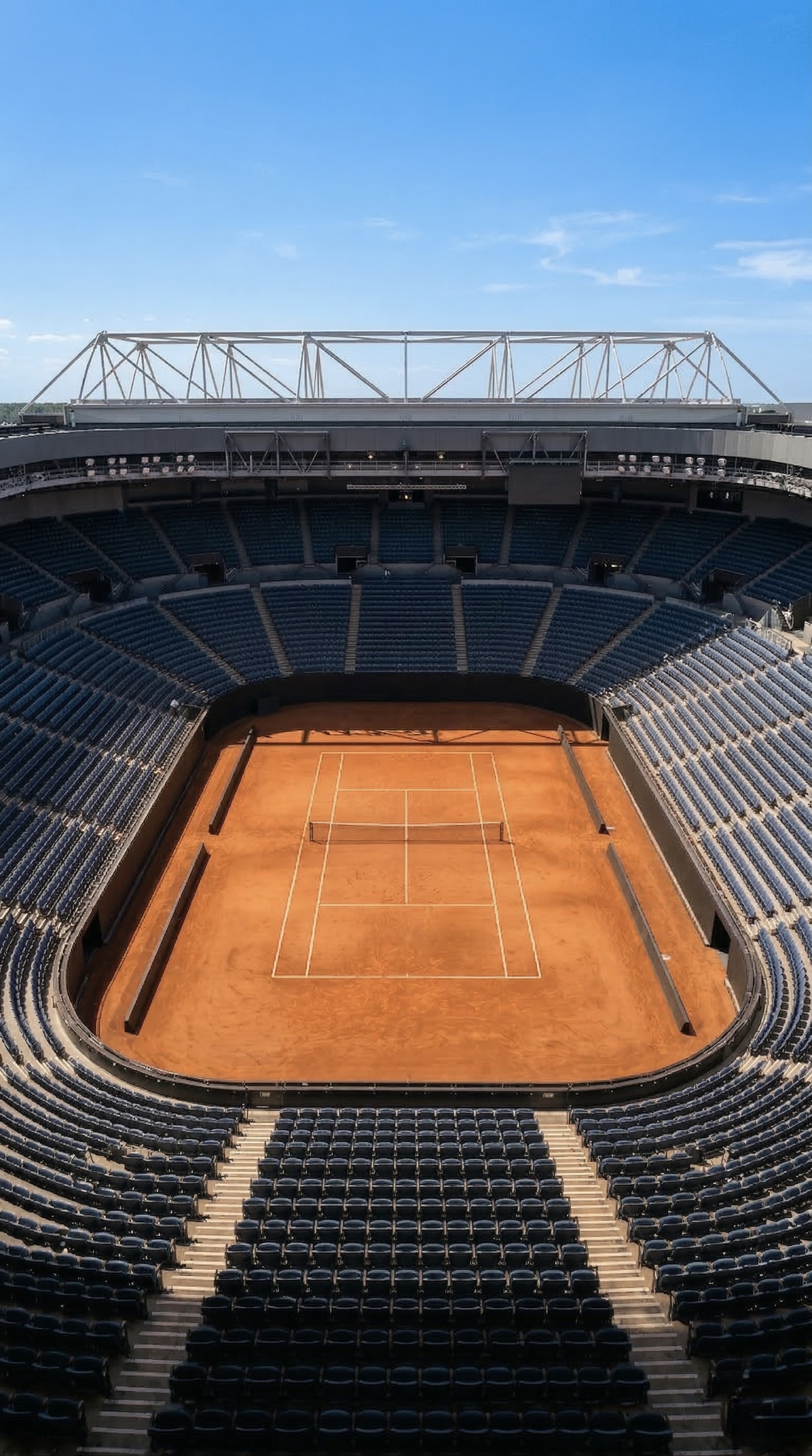
The final between the two cousins represented a moment without precedent in recent tennis history. You had to go back to 1991 and the Chicago final between John and Patrick McEnroe to find an ATP match pitting two members of the same family against each other. But never at a Masters 1000, never with stakes this high. The two players grew up together, trained together, share childhood memories on the courts of southern France. And there they stood, facing each other before fifteen thousand spectators in Shanghai, with more than a million dollars and a Masters 1000 title on the line.
Rinderknech took the first set 6-4, playing with the solidity of a man who knows his opponent's strengths and weaknesses intimately. But Vacherot, faithful to the script of his entire fortnight, turned the tide. The second set, taken 6-3, showed a player who categorically refused to let the fairytale end. The third set, also 6-3, confirmed that Vacherot was no longer riding on the energy of surprise alone but on a deep conviction that he belonged.
The statistics surrounding this performance are genuinely staggering. Vacherot became the lowest-ranked Masters 1000 champion in history since the category was established in 1990. He is the first Monegasque player ever to win a title on the ATP Tour. He collected $1,124,380 in prize money, nearly double what he had earned across his entire career before this tournament, which stood at $594,077. And he jumped from 204th to 40th in the world rankings in the space of two weeks, one of the most dramatic climbs the ATP ranking system has ever recorded.
But behind the numbers, it is the human story that lingers. Vacherot, who played his college tennis at the University of Virginia, spent years navigating the uncertain waters of Challengers and qualifying draws, far from the lights of the main tour. His journey illustrates a truth that professional tennis periodically reinforces: talent does not disappear because it has not yet been seen. Sometimes, every piece of the puzzle simply needs to align at the same moment, on the same court, in the same tournament.
Shanghai 2025 will stand as one of the most extraordinary tournaments in tennis history. Not only because of Vacherot's victory, miraculous as it was. But for what it represents: living proof that in an individual sport where every ball matters, where every point can alter a destiny, rankings are just numbers, and the bonds of blood can turn a Masters 1000 final into a family reunion.