The 2026 Italian Open will be remembered for its sporting drama, but also for a growing controversy: the playing schedules imposed on athletes. Jannik Sinner, the world number one, doubled down this week on his criticism of late finishes at the Foro Italico.
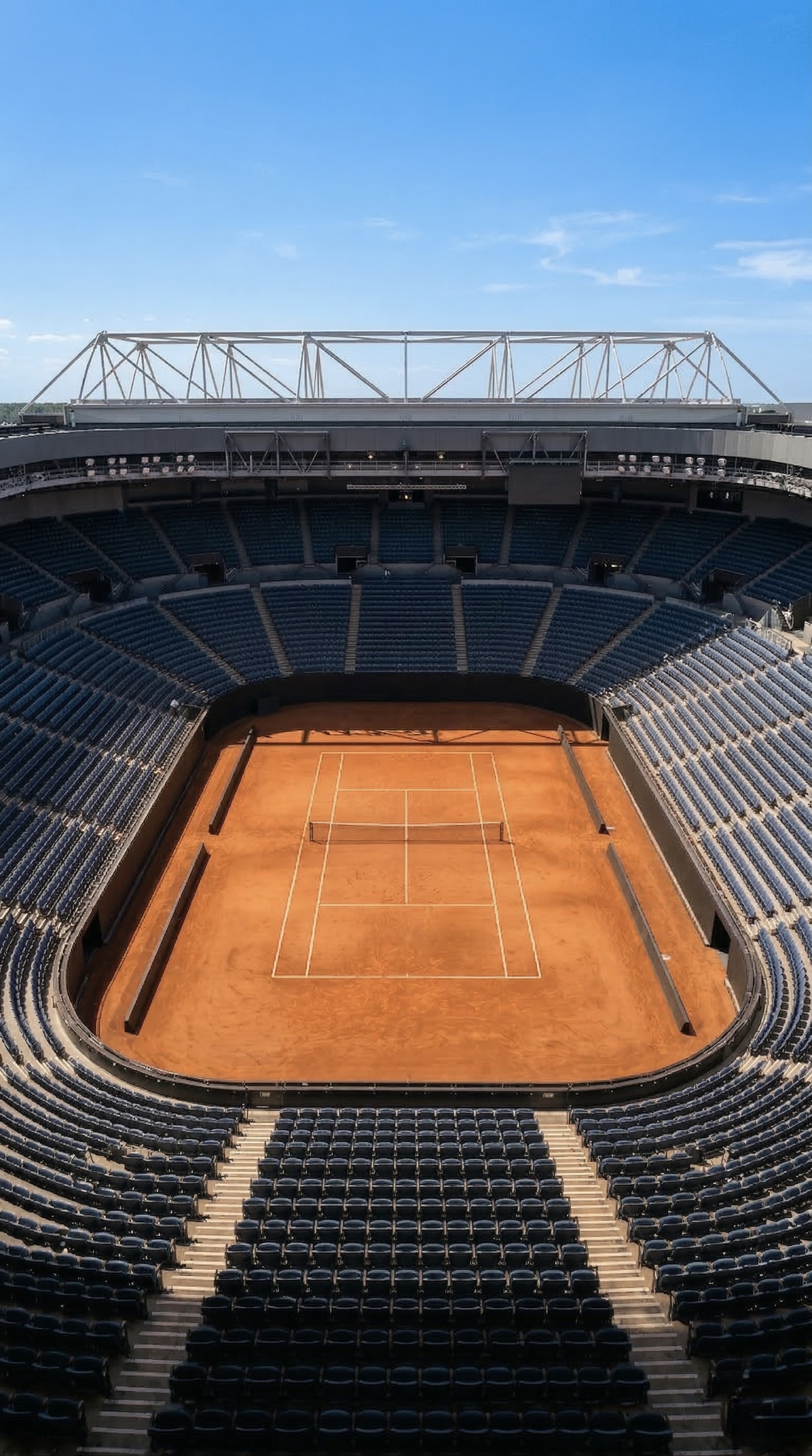
The most striking example was the quarterfinal between Luciano Darderi and Rafael Jodar, which ended at 2:02am. Three hours and eight minutes of tennis, an eighteen-minute interruption caused by smoke drifting from the neighbouring Stadio Olimpico during the Coppa Italia final, and near-empty stands for the match's conclusion. A spectacle that raised serious questions about athlete welfare.
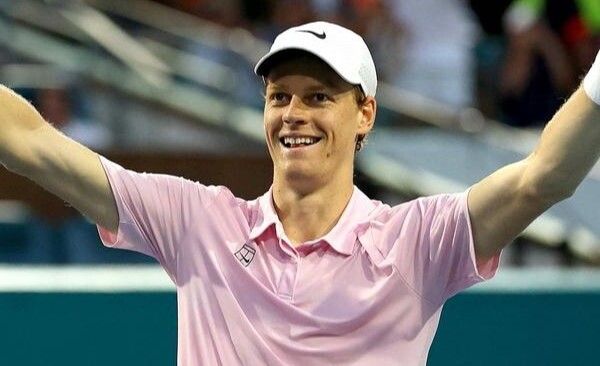
Sinner himself saw his semifinal against Daniil Medvedev halted by rain in the evening, forcing him to return the following day to complete a match started the night before. "It is not normal to play so late. We are asked to perform at the highest level, but we are not given the conditions to do so," he stated. His comments resonated with several fellow tour players.
The issue is not new. Roland-Garros introduced night sessions from 2021 under a deal with Amazon Prime Video, sparking immediate debate. But in Rome, these are not scheduled evening sessions: they are delays that accumulate throughout the day, amplified by unpredictable weather, pushing the final matches well past midnight.
Tournament organisers find themselves caught between competing demands. Broadcasters want prime-time content. Players demand decent playing conditions and adequate recovery time between matches. The ATP Player Council has placed scheduling on the agenda for its next meeting.
With Roland-Garros two weeks away, the debate takes on added significance. The Parisian Grand Slam, with its now-established day and night sessions, will need to demonstrate that television demands and player welfare can coexist. The Roman example proves that balance remains elusive.