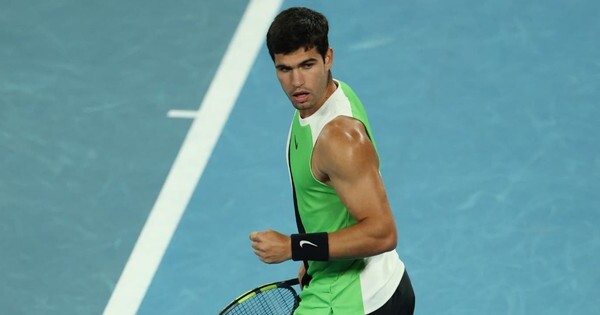
Carlos Alcaraz's withdrawal from Roland-Garros is more than the absence of one player. It is an earthquake that redistributes the draw's balance of power, alters ranking trajectories, and hands a historic opportunity to several contenders. Let us assess the shockwave.
The primary beneficiary is Jannik Sinner. The world No. 1, beaten in last year's Roland-Garros final by Alcaraz in a five-set battle, will no longer have to face the Spaniard in his half of the draw. Sinner, who has dominated the hard-court swing this winter and strung together Masters 1000 titles at a historic rate, now has a clear path to the Porte d'Auteuil. Bookmakers have already adjusted their odds: the Italian is now the overwhelming favourite.
But a paradox exists. As one TennisHead analyst noted, Alcaraz's absence could actually work against Sinner. Without the two-time defending champion in the draw, every opponent the Italian faces will play with newfound freedom. When Alcaraz and Sinner share the pressure at the top, underdogs face a strategic dilemma. With a single overwhelming favourite, all guns will be aimed at him.
Alexander Zverev was the most candid. "It is sad for tennis, but it is an opportunity," the German world No. 2 declared. Zverev, the unlucky 2024 finalist against Alcaraz, could inherit a significantly easier half of the draw. At twenty-nine, he knows Grand Slam windows do not stay open forever.
Novak Djokovic also sees a door cracking open. The Serb, thirty-nine years old, is chasing a twenty-fifth Grand Slam title. On the Parisian clay, where he has triumphed three times, Djokovic knows the stars may never align like this again. His body is an enigma from week to week, but when he is fit, his quality remains formidable.
On the rankings front, Alcaraz is set to lose approximately 3,000 ATP points. He was defending not only Roland-Garros but also the Italian Open in Rome, where he was also the defending champion. This drop will cement Sinner's position at the top and could allow Zverev to close the gap for second place, or even challenge for No. 1 if the German puts together a strong run.
For other contenders, the equation changes dramatically. Casper Ruud, in stellar form this week in Madrid, regains a realistic shot at the semi-finals. Stefanos Tsitsipas, a multiple-time semi-finalist in Paris, can dream of a return to the summit. And the young guns like Rafael Jodar or Joao Fonseca, if they continue their rise, could spring surprises in a draw stripped of its master.
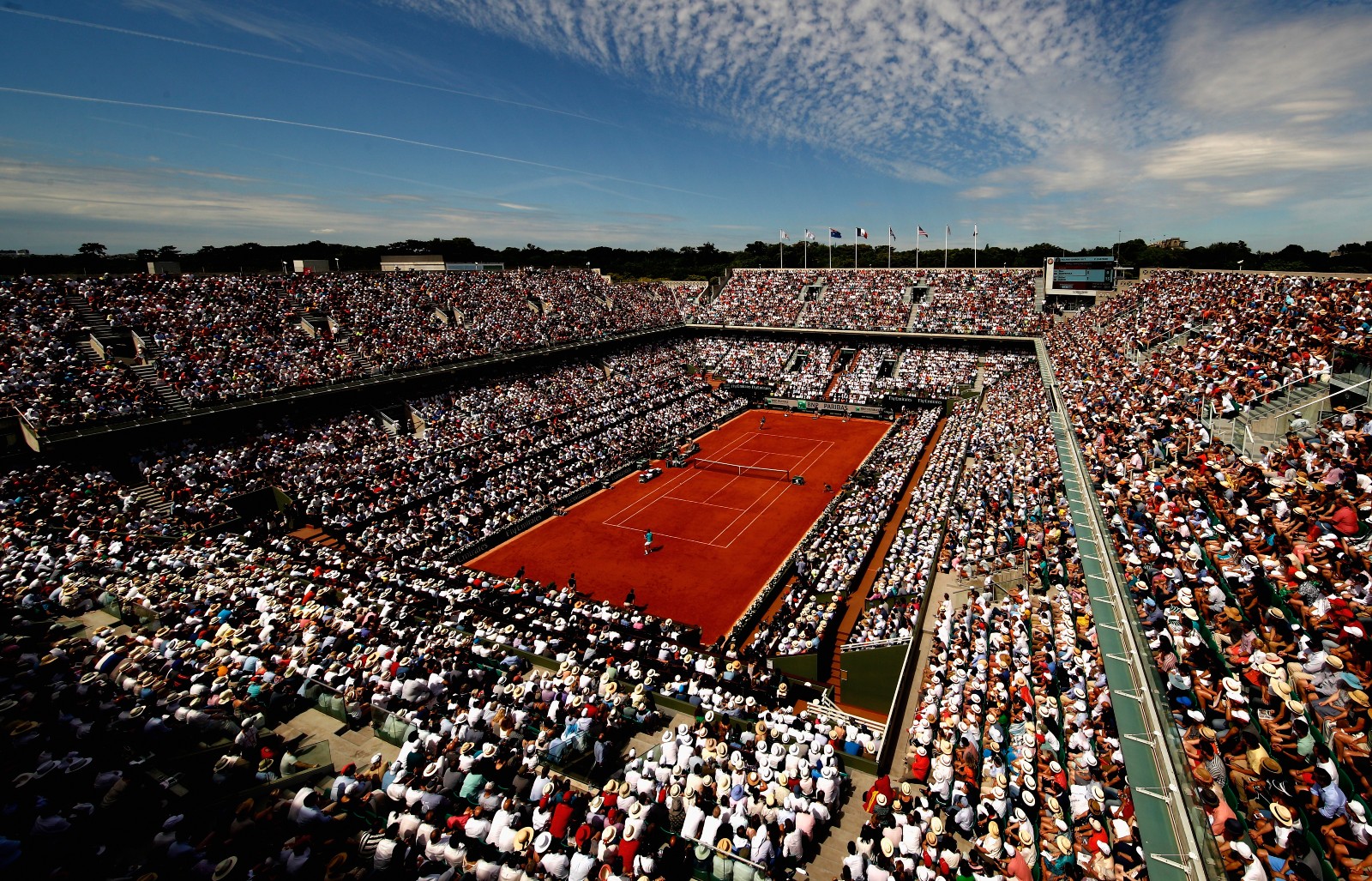
Roland-Garros without Alcaraz is a tournament as open as it has been since 2020. The Parisian clay will resonate differently this year. And every player on tour knows it: a chance like this may not come around again soon.