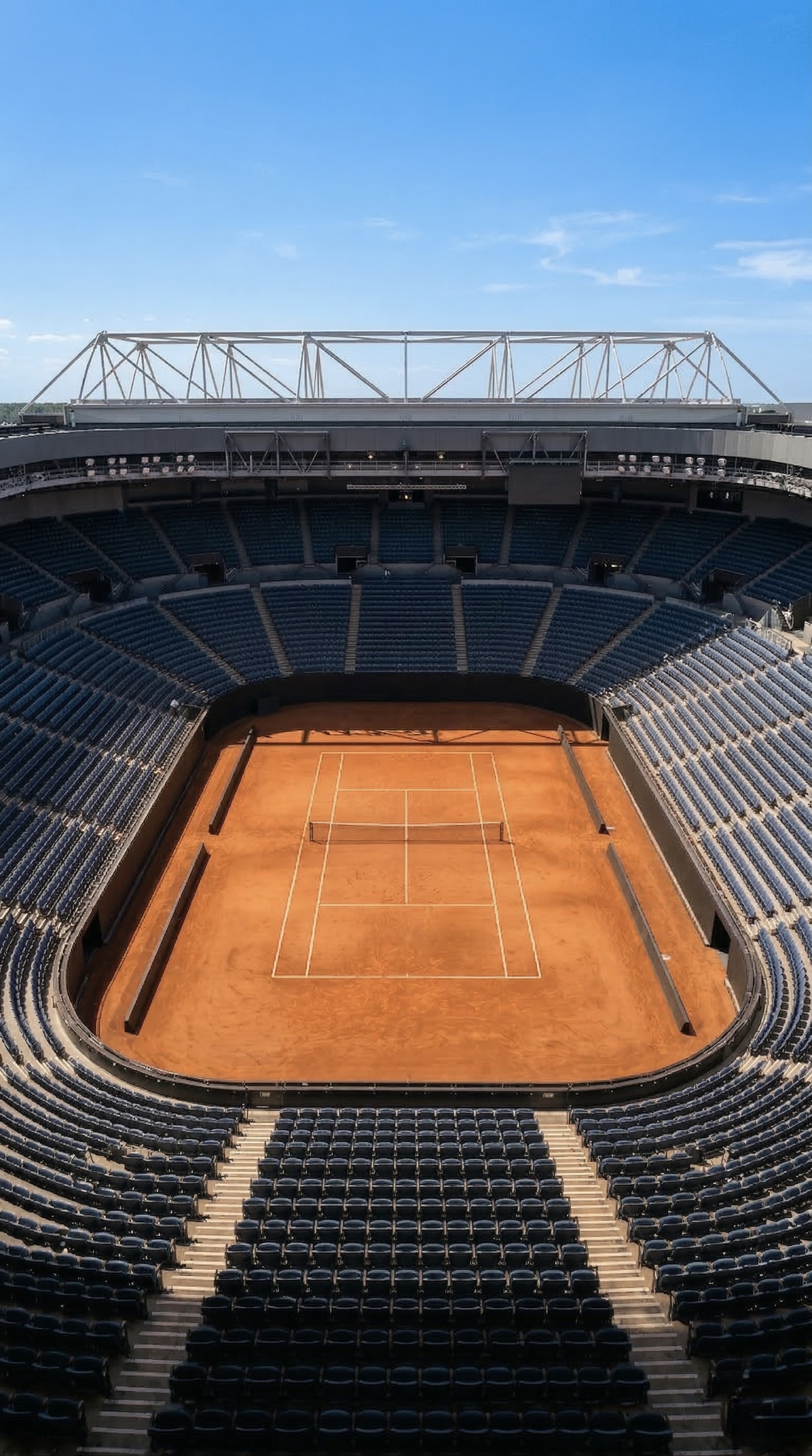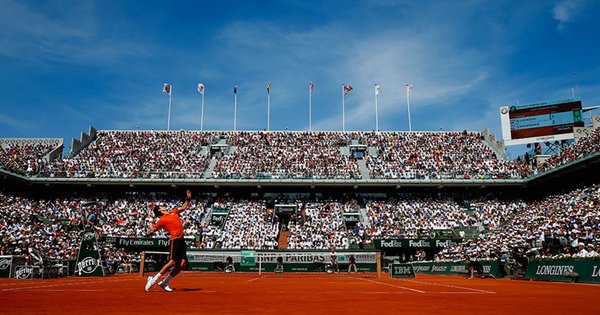
The red clay has been swept, the trophies have been lifted, and the gates of Roland-Garros have closed on another unforgettable fortnight. The 2025 French Open, which concluded on Sunday, June 8, delivered everything that makes this Grand Slam the most dramatic, unpredictable, and emotionally charged event on the tennis calendar. From a coronation that redrew the map of men's tennis to a masterclass of dominance in the women's draw, this edition will be remembered as a tournament that crystallized the sport's thrilling present and its even more exciting future.
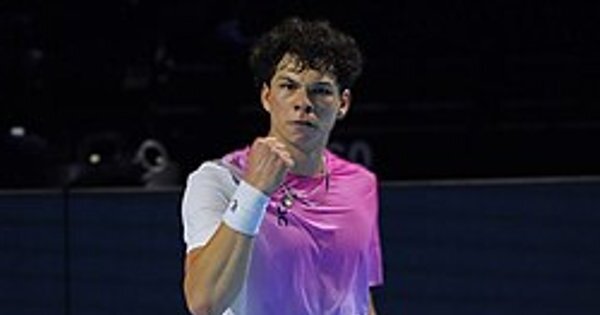
Let us begin with the story that will lead every tennis conversation for weeks to come: Jannik Sinner is the 2025 Roland-Garros champion. The Italian, who turned 23 during the clay-court swing, has completed what many thought would take him years longer to achieve. Already the holder of the Australian Open title won in Melbourne in 2024, Sinner has now proven beyond any doubt that his game translates to every surface, including the one historically most hostile to his baseline-heavy, flat-hitting style. His path through the draw was authoritative without being effortless, a combination that speaks to both his quality and his competitive steel.
The final against Carlos Alcaraz was the match this tournament deserved. Alcaraz, the defending champion who had dismantled the field here twelve months ago with a brand of tennis so spectacular it seemed to belong to a different sport, arrived at Court Philippe-Chatrier determined to join the select group of back-to-back Roland-Garros winners. The Spaniard started the match like a man possessed, his forehand carving angles that defied geometry, his drop shots dying on the clay as if they had been programmed to do so. He took the first set with the kind of brilliance that makes opponents question their career choices.
But Sinner did not flinch. The Italian's greatest quality, the one that separates him from so many talented players who have come and gone, is his capacity to absorb punishment without losing faith in his own game plan. He steadied the ship in the second set, began finding his range with that devastating backhand down the line, and slowly, methodically, turned the tide. By the time the fourth set reached its climax, it was Sinner who looked like the fresher, sharper, more composed player. His victory in four sets was not a theft; it was a coronation earned through two weeks of relentless, high-quality tennis.
What does Sinner's victory mean for the broader scene of men's tennis? It confirms that the sport has entered a genuine two-man era at the very top, with Sinner and Alcaraz trading blows across surfaces and continents in a manner that recalls the great rivalries of the past. But unlike some historical duopolies, this one is unfolding against a backdrop of genuine depth. Alexander Zverev, who reached the semifinals once again, continues to be the best player never to have won a Grand Slam. His quarterfinal against Alcaraz, a five-set war that lasted over four hours and featured some of the most intense tennis of the entire tournament, was arguably the match of the fortnight. Zverev has the weapons, the physicality, and the ranking to win a major, but something continues to elude him in those decisive moments, and one wonders whether the window is beginning to narrow.
Beyond the top names, the men's draw offered encouraging signs for the future. Holger Rune, the Danish talent who has struggled for consistency over the past year, produced his best Grand Slam run in some time by reaching the quarterfinals with aggressive, front-foot tennis that suggested a player beginning to trust himself again. Several young qualifiers and low-ranked players created early-round upsets that reminded us how brutally competitive the ATP Tour has become. The days when a top-four seed could sleepwalk through the first week are well and truly over.
The absence of Rafael Nadal, who retired from professional tennis after the 2024 season, continued to loom large over Roland-Garros. This was the second edition without the fourteen-time champion, and while the tournament has moved on, there were moments throughout the fortnight when the crowd, the atmosphere, and the very clay itself seemed to ache for his presence. It is proof of the new generation that they have filled the void with compelling tennis of their own, but Nadal's shadow is long, and it will take many more years before it fully recedes from this place.
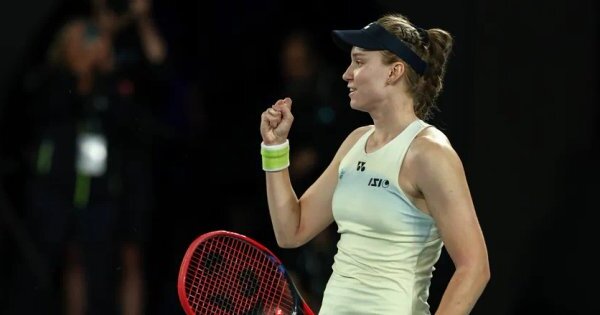
Turning to the women's draw, the narrative was at once simpler and more profound. is, quite simply, the greatest clay-court player of her generation, and she proved it once again with a performance of spectacular authority. The Polish world number one swept through the draw with a relentlessness that bordered on the clinical, dropping only one set en route to the final. Her movement on clay, always her greatest asset, appeared to have reached a new level this year, and her ability to generate topspin on both wings while maintaining pinpoint accuracy made her virtually unplayable.
The women's final was competitive in patches but ultimately decisive. Swiatek's opponent fought valiantly and produced moments of genuine quality, but the Pole's capacity to raise her level at the critical junctures of a match proved the difference. This latest Roland-Garros title, her fifth on the Parisian clay counting her previous triumphs, cements her status as one of the all-time greats of women's tennis. The conversation about where she ranks among the legends is no longer premature; it is necessary.
Coco Gauff's semifinal run deserves particular attention. The American, still only 21, continues to develop her clay-court game with admirable patience and intelligence. Her results at Roland-Garros have improved steadily year on year, and while she was unable to solve the Swiatek puzzle in their semifinal encounter, the gap appeared smaller than in previous meetings. Gauff's willingness to construct points, to embrace the patience that clay demands, suggests that she will be a serious contender here for years to come.
Aryna Sabalenka's early exit was perhaps the most significant upset of the women's draw. The Belarusian, so dominant on hard courts where her power game finds its fullest expression, has never managed to translate that dominance to clay. Her movement, while improved, still lacks the fluidity that the surface demands, and her margin for error on her thunderous groundstrokes shrinks considerably when the ball sits up and the rallies lengthen. It is the one glaring hole in an otherwise magnificent game, and one suspects it will continue to be her Achilles heel at this tournament.
The WTA draw as a whole reinforced a trend that has been building for several seasons: outside of Swiatek on clay, the women's game is wonderfully open and competitive. Seeds fell in every round, matches went deep, and several lesser-known players seized their moment on the biggest stage. This parity is both the strength and the challenge of women's tennis in 2025. It makes for compelling viewing and unpredictable brackets, but it also means that outside of the very top, consistency remains elusive for most players.
From an organizational standpoint, the 2025 edition was a triumph. The retractable roof on Court Philippe-Chatrier, now a fully integrated part of the tournament's infrastructure, proved its worth during several rain-affected sessions. Attendance figures reached record levels, reflecting the lasting appeal of this most traditional of Grand Slams. The atmosphere inside the stadium, that unique Parisian blend of sophistication and raw sporting passion, was as intoxicating as ever.
As the tennis world pivots toward the grass-court season and Wimbledon, the questions flowing from Roland-Garros 2025 are tantalizing. Can Sinner carry his clay-court breakthrough onto the lawns of the All England Club, where his game should, in theory, translate beautifully? Will Alcaraz, the most talented shotmaker in the sport, respond to defeat with the kind of ferocious determination that has defined the greatest champions? Can Swiatek finally crack the code of grass-court tennis and challenge for a title at Wimbledon, or will her dominance remain surface-specific? And lurking behind all of these questions is the deeper one: are we witnessing the dawn of a new golden age of tennis?
The evidence from Roland-Garros 2025 suggests that we are. The quality of play across both draws was exceptional. The rivalries at the top are real, intense, and built to last. The next generation is not waiting politely for its turn; it is kicking down the door. And the tournament itself, this glorious, infuriating, beautiful cathedral of clay-court tennis, continues to produce moments that remind us why sport matters.
The clay has spoken. The rest of the season awaits.