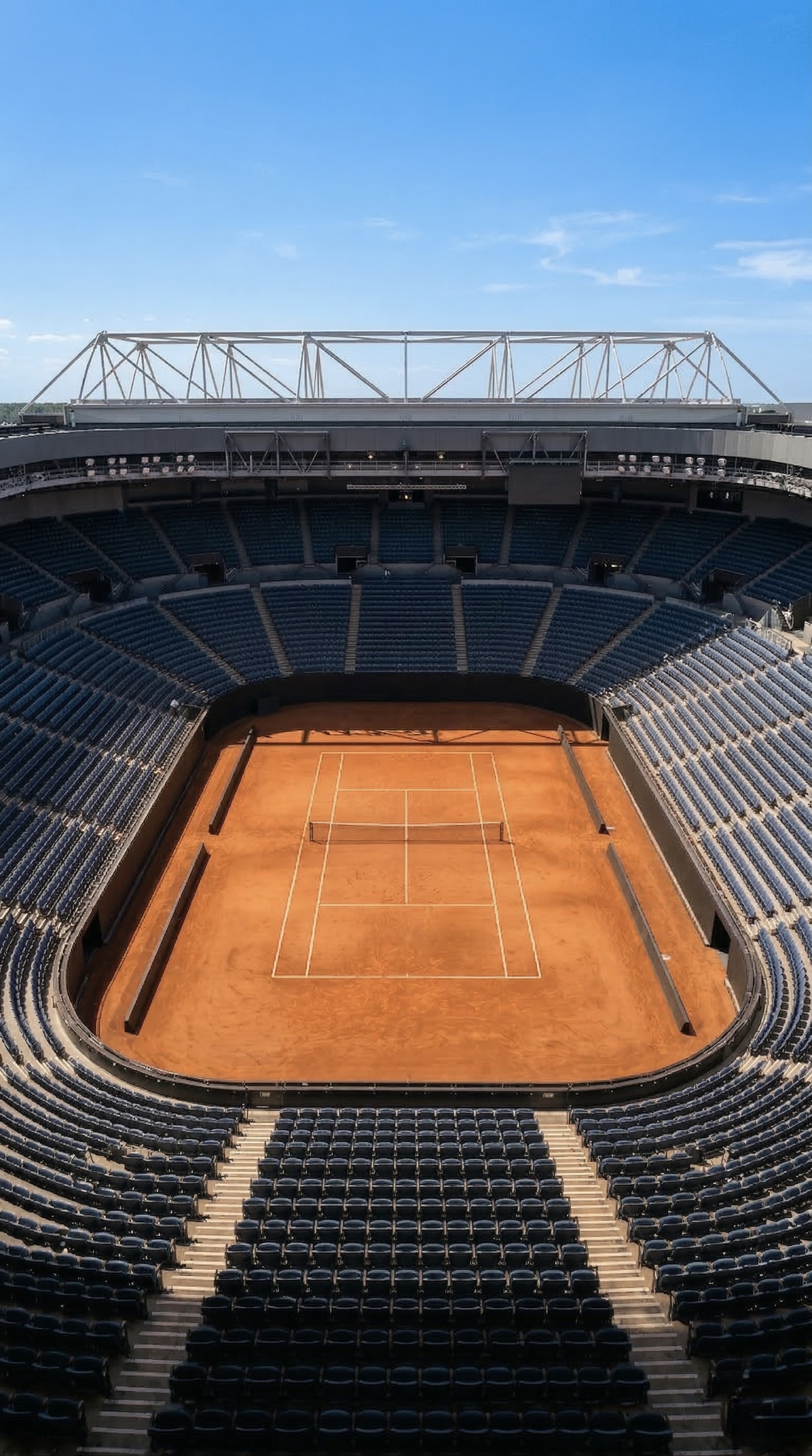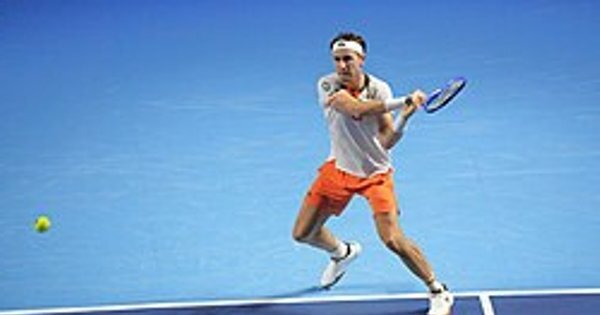
It took until May 4, 2025 for Norwegian tennis to write its finest chapter. On the red clay of the Caja Magica, Casper Ruud lifted the Mutua Madrid Open trophy after a gripping three-set final against Jack Draper, prevailing 7-5, 3-6, 6-4 in two hours and twenty-nine minutes. He became the first Norwegian to claim a Masters 1000 title since the series was established in 1990, ending a long wait for both player and country in a tournament defined by absences and upsets.
This Madrid edition will be remembered as a week when the established order crumbled. Carlos Alcaraz, the hometown hero and two-time defending champion, withdrew before the main draw began. The Spaniard was nursing a right adductor injury sustained during the Barcelona Open final against Holger Rune, compounded by discomfort in his left hamstring. In a press conference, Alcaraz explained he did not want to risk aggravating the injuries with Roland-Garros six weeks away. His absence robbed the Madrid crowd of their favorite and blew the draw wide open.
Jannik Sinner, the world No. 1, was also missing from the field. The Italian was serving the final days of his three-month suspension imposed by the World Anti-Doping Agency in the clostebol case. Madrid was the last tournament Sinner would miss, with his ban expiring on May 4, the very day of the final. A cruel twist of the calendar that kept him from a clay event he favors, just before his planned return at the Rome Masters in front of his home crowd.
Without the top two players in the world, the tournament was thrown open. , the de facto top seed in the absence of Sinner and Alcaraz, carried the weight of expectation. The German looked poised to capitalize on the favorable draw, but the tennis gods had other ideas. In the fourth round, Francisco Cerundolo dispatched him 7-5, 6-3, extending a remarkable personal series to three wins from three meetings against the world No. 2. For the second consecutive year in Madrid, the Argentine played the role of Zverev's executioner, confirming that certain stylistic matchups in tennis defy the logic of rankings.
, at 37, fared no better. The Serbian, who received a first-round bye, was stunned in his opening match by Matteo Arnaldi, a player ranked 44th in the world who outplayed him 6-3, 6-4. It was not the result that shocked observers so much as the manner of defeat: 32 unforced errors from Djokovic to his opponent's 18, three breaks of serve conceded, an uncharacteristic helplessness from a champion of his caliber. It was his third consecutive loss following disappointing exits in Miami and Monte Carlo, fueling questions about his ability to compete at the highest level across an entire tournament. Djokovic himself spoke afterward of a "new reality" he must confront, words that echoed far beyond the Caja Magica.
Into this vacuum of fallen favorites, Casper Ruud marched with quiet determination. The 26-year-old Norwegian began his campaign with a convincing victory over Sebastian Korda in the opening round (6-3, 6-3), then brushed aside Arthur Rinderknech with similar authority (6-3, 6-4). His tournament took shape in the fourth round, where he produced a commanding win over world No. 4 Taylor Fritz, 7-5, 6-4. Against the big-serving American, Ruud displayed the patience and tactical intelligence that would define his entire week.
In the quarterfinals, Ruud claimed another marquee scalp by defeating Daniil Medvedev 6-3, 7-5. It was his first career victory over the Russian, an opponent who had beaten him in every previous encounter. The win symbolized a new maturity in the Norwegian's game, a player now capable of solving puzzles that had previously defeated him. Medvedev, deep in a crisis of confidence with his ranking sliding outside the top 10, never found answers against a compact and focused Ruud.
The semifinal against Francisco Cerundolo, the man who had slain Zverev, offered a different kind of test. The Argentine, energized by his earlier performances, put up fierce resistance, but Ruud managed the pressure points to win 6-4, 7-5. Three consecutive victories over top-10 players in a single tournament: Fritz (No. 4), Medvedev (No. 10), and Draper (No. 6) in the final. This was not the run of a player benefiting from a weakened draw. This was a champion announcing himself.
On the other side of the bracket, Jack Draper produced the best clay court week of his career. The 23-year-old left-hander from Britain had never gone beyond the quarterfinals on this surface at Masters 1000 level before Madrid. His run was striking in its dominance: a demolition of Matteo Arnaldi in the quarters (6-0, 6-4), the same man who had knocked out Djokovic, followed by a commanding win over Lorenzo Musetti in the semifinals (6-3, 7-6). Draper had not dropped a set before the final, and his aggressive tennis appeared designed for title-winning.
The final delivered two and a half hours of high-quality tennis. Ruud found himself trailing 5-3 in the opening set, a deficit that could have tilted the match decisively. But it was precisely in that moment of vulnerability that the Norwegian showed what champions are made of. He fought back break by break, capitalizing on a slight dip in Draper's concentration to steal the set 7-5. The Briton, far from wilting, struck back with authority in the second set, leveling at one set apiece through aggressive play and biting return games.
The third set was a gladiatorial contest. Ruud secured the decisive break at 2-2, then held firm against Draper's repeated charges to close it out 6-4. When the final ball landed, the Norwegian sank to his knees on the Madrid clay, overcome with emotion. "I always dreamed about winning tournaments like this," he said afterward, his eyes still glistening. "You work your whole life for these moments. Today I can say I am a Masters 1000 champion."
The title carries particular weight in the context of Ruud's career. Before Madrid, the Norwegian had lost all three of his Masters 1000 finals: Miami 2022 to Alcaraz, Monte Carlo 2023 to Tsitsipas, and Monte Carlo 2024 to Tsitsipas again. The question of whether he could clear the bar at the sport's biggest regular-season events had grown louder with each defeat. Madrid provided a thundering answer. Since the start of the 2020 season, Ruud now has more wins (125) and titles (12) on clay than any other player on tour, a statistic that underscores his dominance on the surface.
For Draper, despite the loss, Madrid represented a turning point. The Briton confirmed his place in the world's top five and proved he can compete with the best on every surface. His ability to reach a Masters 1000 final on clay, a surface not traditionally kind to British players, opens exciting possibilities for the remainder of the European clay season.
This 2025 Madrid Open also laid bare the cracks forming in the old guard. Djokovic at 37 speaking of a "new reality," Medvedev in a deep confidence crisis, Zverev still unable to solve his Argentine nemesis: the scene of men's tennis continues its rapid transformation. While the established names falter, a new generation led by Ruud, Draper, Cerundolo, and others is settling into the final rounds of major events with growing authority.
The tour now heads to Rome and Roland-Garros, where Sinner will make his return and Alcaraz will defend his Parisian crown. Ruud, armed with his Madrid title, enters the critical phase of the clay season with confidence at an all-time high. The Caja Magica gave him more than a trophy. It gave him the certainty that he belongs, permanently, among the elite of world tennis.