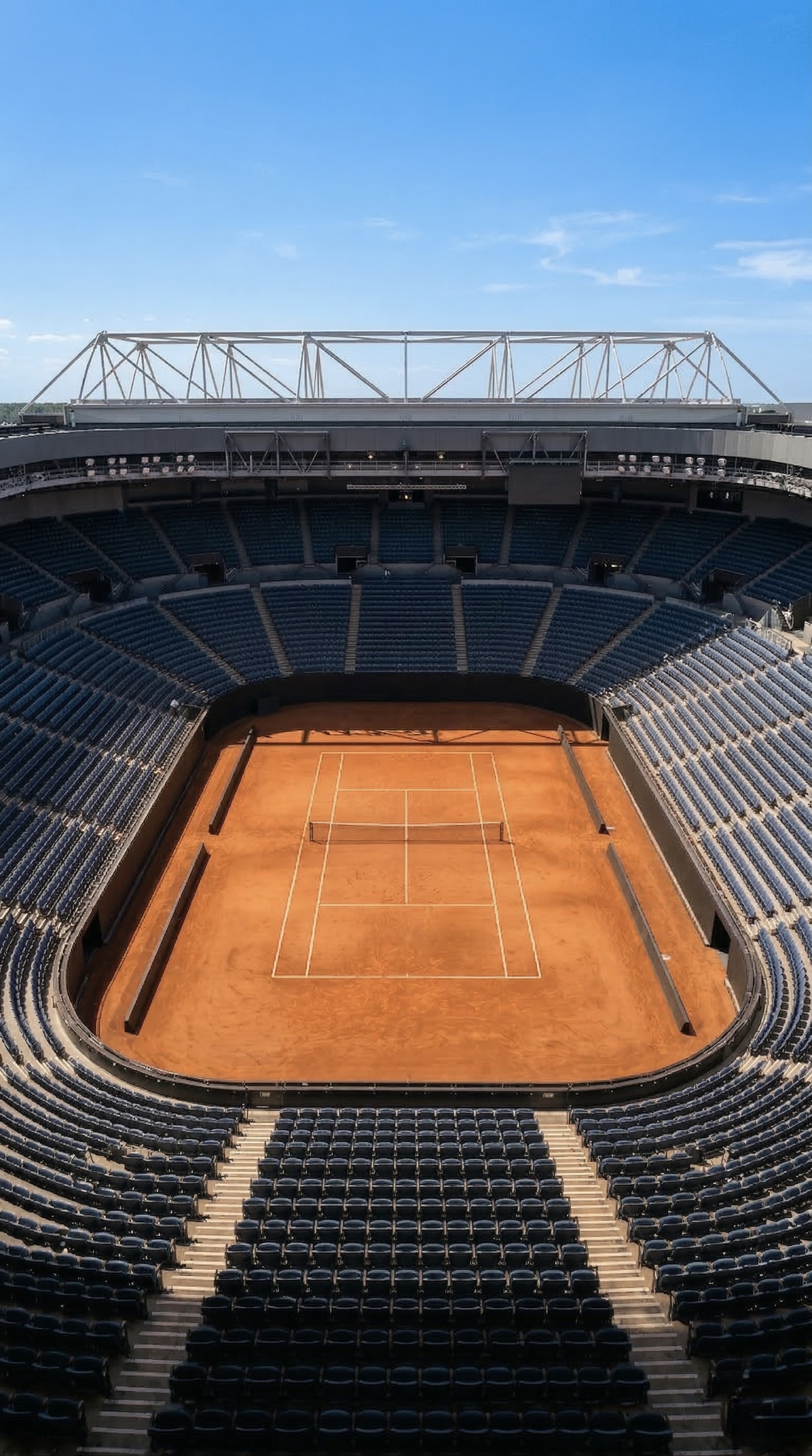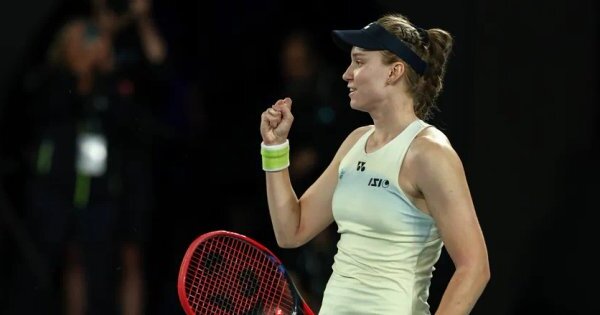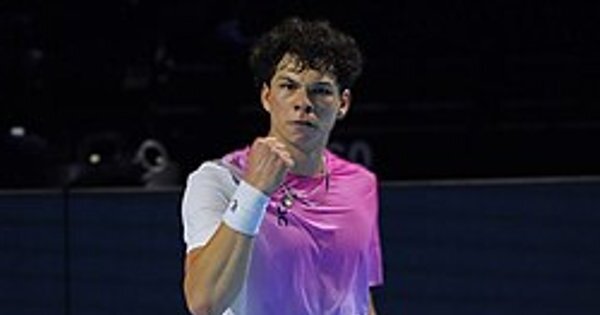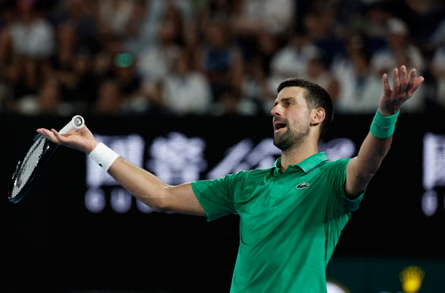
Novak Djokovic will not compete at the 2026 Rolex Monte-Carlo Masters. The announcement of his withdrawal, caused by a right shoulder injury, has cast a shadow over the European clay season, even as the first clay tournaments of the year have already begun with Houston, Marrakech and Bucharest in late March. At 38, the Serbian champion with 24 Grand Slam titles is going through a turbulent period that raises questions about his ability to remain competitive at the highest level.
Warning signs keep piling up
Djokovic's 2026 season had actually started on a high note in Melbourne. Beaten in the Australian Open final by Carlos Alcaraz 2-6, 6-2, 6-3, 7-5, the Serb had still demonstrated he could compete with the best by reaching his twelfth final at the tournament. His path to that final included a semifinal victory over Jannik Sinner, proof that the warrior within still had fight left.
Since Melbourne, however, the picture has darkened considerably. At Indian Wells, Djokovic fell in the fourth round to Jack Draper in straight sets. A clear defeat against a talented player, certainly, but far from the level of competition the Serb typically expects at that stage. Then came the withdrawal from Miami, already due to that troublesome right shoulder. And now .
A shoulder injury that raises concerns
Djokovic's right shoulder has become the talking point of the 2026 spring season. While the tournament issued a brief statement wishing him a speedy recovery, the player's silence on social media speaks volumes. No reassuring message, no announced return timeline. For someone who has always communicated transparently about his physical condition, this silence is telling.
The question now is straightforward: will Djokovic be fit enough to compete in Madrid, then Rome, before the crucial appointment at Roland-Garros? His 2025 clay season had already been difficult, with a first-round loss at to Alejandro Tabilo, a second-round exit in Madrid against Matteo Arnaldi, and a withdrawal from Rome that ended a streak of 18 consecutive appearances at the Italian Open.
The weight of years and a new hierarchy
At 38, Djokovic faces a harsh reality. The ATP Tour has changed. , crowned in Melbourne to complete the Career Grand Slam at just 22, sits atop the world rankings. Behind him, has just achieved the Sunshine Double by winning Indian Wells and Miami without dropping a single set, a feat only Roger Federer had managed since 2017. holds down a solid third spot in the rankings.
Djokovic finds himself at world number four. A ranking that does not necessarily reflect a freefall but marks a growing distance from rivals who have become dominant forces. Since his US Open victory in 2023, his Grand Slam trophy cabinet has remained unchanged. Two and a half years without a Major title for a player of his caliber feels like an eternity.
Clay, the surface of all dangers
The red dirt has always had a complicated relationship with Djokovic. A three-time Roland-Garros champion, the Serb was never a natural clay courter in the mold of Rafael Nadal. His dominance on the surface relied on impeccable physical conditioning, exceptional sliding ability, and bulletproof mental endurance. Three qualities that, at 38 with a painful shoulder, can no longer be taken for granted.
The coming weeks will be decisive. The Mutua Madrid Open, scheduled for late April, appears to be the next possible tournament for the Serb. But even if he returns, the question of his level on clay remains unanswered. Without specific preparation on the surface, without competitive matches on the dirt under his belt, how can he hope to perform at the Masters 1000 level, let alone Roland-Garros?
A champion who refuses to give up
It would be unwise, however, to write Djokovic off. Tennis history is filled with his improbable comebacks. His Olympic gold medal in Paris 2024 reminded the world that the Serb possesses inexhaustible mental resources. His Australian Open 2026 semifinal win over Sinner proved that elite-level tennis could still emerge in the biggest moments.
But the body has its limits. And that may be where the real battle of the 2026 season lies for Djokovic. No longer against Alcaraz, Sinner, or Zverev, but against the passage of time and the injuries that keep mounting. The right shoulder, stressed with every serve and every forehand, could well be the final arbiter of this clay court season.
Djokovic's fans are holding their breath. The tennis world is too. Because a clay season without Djokovic means losing a part of the tour's soul. And nobody, not even his fiercest rivals, wants this chapter to end like this.