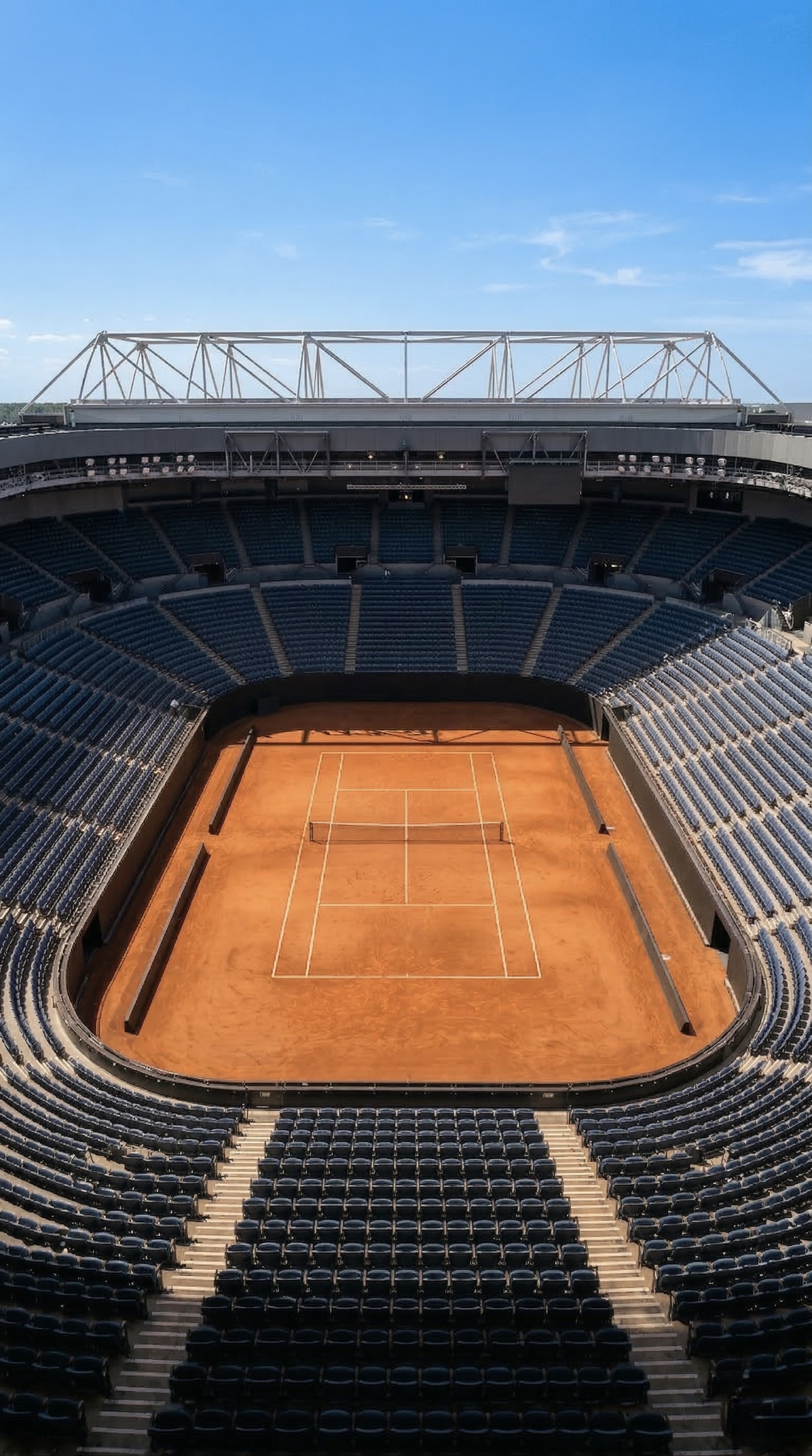
Clay is back. After an American swing dominated by Jannik Sinner and Aryna Sabalenka on hard courts, the tour returns to the red dirt as early as late March with ATP 250 and WTA events in Houston, Marrakech, Bucharest, Bogota and Charleston. Then come the marquee events: Monte Carlo, Madrid, Rome, and Roland-Garros, a sequence of tournaments that will reshuffle the world rankings and reveal the true pecking order before the climax in Paris.
The calendar that sets pulses racing
The 2026 clay court season kicks off in mid-April with the Rolex Monte-Carlo Masters, nestled in its French Riviera setting. The Mutua Madrid Open follows in late April, the Internazionali BNL d'Italia in Rome arrives in mid-May, then the absolute summit: Roland-Garros from late May. Each tournament has its own identity, altitude, and playing speed, and players must adapt to changing conditions week after week.
Monte Carlo, traditionally viewed as the laboratory of the clay season, allows players to find their footing on the red surface. Madrid, at altitude, offers unique conditions where the ball flies faster and bounces higher. Rome, the final test before Paris, is the Masters 1000 closest to Roland-Garros conditions in terms of pace and surface.
Alcaraz, the natural favorite
Carlos Alcaraz arrives on clay from a position of strength. World number one and Career Grand Slam holder after Melbourne, the Spaniard carries the confidence of a champion who knows he can win anything. Roland-Garros 2024 remains one of his finest triumphs, and clay is his training surface. His sliding ability, power off the forehand wing, and feel for the ball make him the natural favorite for the entire clay swing.
But Alcaraz comes off a mixed American swing. An early exit at Indian Wells and underwhelming results in Miami showed he is not invincible. The Spaniard knows Sinner arrives at full speed after his Sunshine Double, and that the race for world number one will be largely decided on European clay.
Sinner, the hunter with momentum
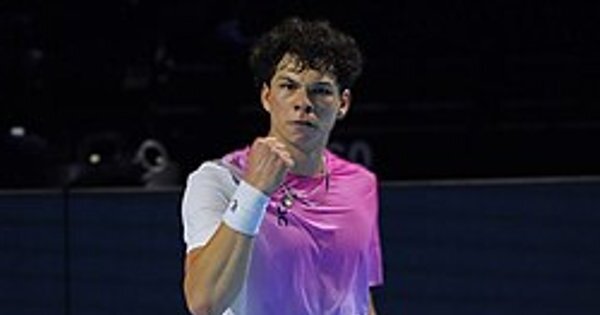
arrives on clay with the wind at his back. His historic Sunshine Double at Indian Wells and Miami has significantly closed the gap with Alcaraz in the rankings. The Italian, long considered a fast-court player, has made strides on clay in recent seasons. His Roland-Garros 2024 semifinal marked a turning point in his relationship with the surface.
The question for Sinner is whether he can maintain physical and mental intensity after an exhausting March. Two consecutive Masters 1000 titles represent a considerable effort, and the transition to clay demands adjustments in footwork and shot-making rhythms.
Djokovic, the great absentee from Monte Carlo
The shadow hanging over this clay season belongs to . The Serb has withdrawn from due to a right shoulder injury that already forced him to miss Miami. At 38, this accumulation of physical setbacks raises questions about his ability to compete on a surface that demands maximum physical commitment.
Djokovic is scheduled to return at Madrid in late April. But even if he competes, will he arrive with enough match play to hope for a meaningful result? His 2025 clay season had been difficult: a first-round loss at to Tabilo, an early exit in Madrid, and a withdrawal from Rome. The pattern appears to be repeating in 2026.
Zverev, the silent contender
, ranked third, is a serious candidate on clay. The German won the Rome title in 2023 and has the physical build and baseline game to perform on the surface. His devastating first serve and qualities in baseline exchanges make him an opponent nobody wants to face on the dirt.
Dark horses to watch
Several players could light up the clay season. Stefanos Tsitsipas, the 2021 Roland-Garros finalist, is gradually rediscovering his best level. Casper Ruud, a surface specialist, remains a constant danger at every clay tournament. And the new generation, led by Lehecka and Draper, brings welcome freshness to the draw.
On the WTA side: Swiatek on home turf
While Sabalenka dominates on hard courts, clay could reshuffle the deck on the women's side. , four-time Roland-Garros champion, eagerly awaits the red dirt. The Pole, in rebuilding mode after a coaching change, traditionally finds her best level on clay. Her ability to suffocate opponents with heavy topspin and devastating lift makes her the natural favorite on this surface.
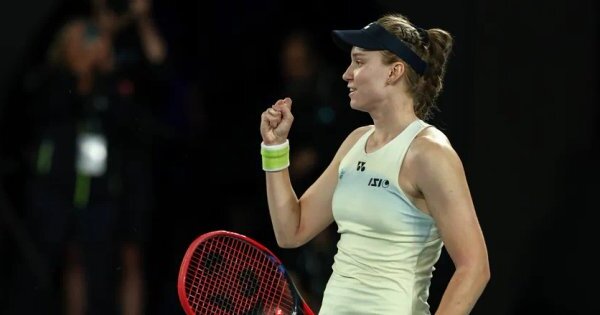
Sabalenka, despite her hard-court dominance, has never found the same comfort on clay. Rybakina, with her flat groundstrokes, could also struggle on a surface that slows the game down. It may be on clay that the WTA hierarchy is most open this season.
Roland-Garros in the crosshairs
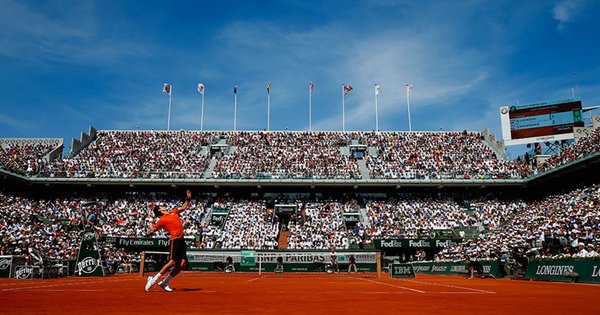
The entire clay season converges toward a single point: Roland-Garros. The second Grand Slam of the year will be the ultimate judge. Alcaraz defends his 2024 title there. Sinner seeks confirmation of his status as the number one rival. Djokovic perhaps aims for one last masterstroke. And Swiatek reigns there like nowhere else.
European clay is ready to reveal its secrets. From to Paris, the coming weeks promise elite-level tennis, surprises, and memorable battles on the most beautiful surface in the game.