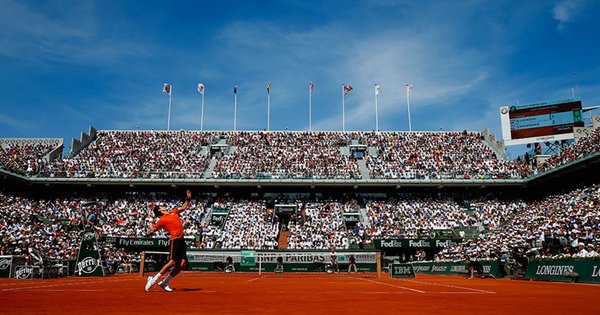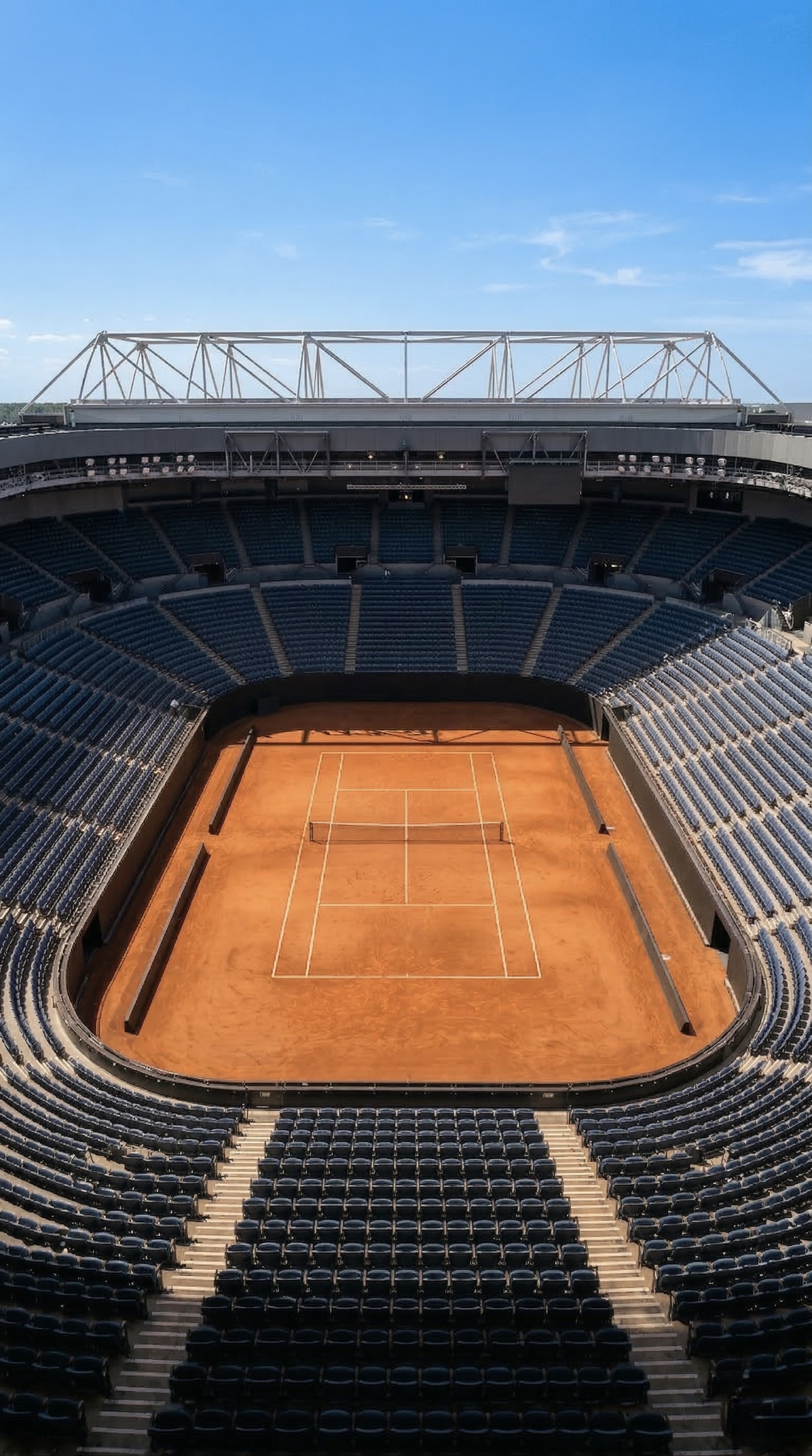
A few months ago, Maja Chwalińska was questioning whether professional tennis was worth the struggle. Today, she stands in the Roland-Garros semi-finals. The story is so improbable it reads like fiction.
The 24-year-old Pole arrived in Paris ranked 114th in the world, carrying no expectations. Her goal for the 2026 season was a modest one: crack the top 100. She had to come through qualifying just to reach the main draw. Eight matches later, she is still standing.
Chwalińska's run tells a story of extraordinary resilience. She defeated three top-50 players for the first time in her career: Elise Mertens, Maria Sakkari, then Anna Kalinskaya in the quarter-finals, 7-6(3), 6-3. Seven of her eight Parisian victories came in straight sets. The left-handed Pole destabilises opponents with variety: lofted topspin, slices, constant changes of rhythm. "This mixture makes me pretty tough to play against," she acknowledges. "Opponents cannot find their rhythm."
What makes her story even more remarkable is that she nearly walked away from the sport. Faced with doubt, injuries, and the financial difficulties of the lower circuit, Chwalińska had seriously considered giving up. The decision to persevere, supported by her close circle and her love for competition, now looks like the most important of her career.
By reaching the semi-finals, she becomes the sixth qualifier in the Open Era to achieve this feat at a Grand Slam and only the second at Roland-Garros after Nadia Podoroska in 2020. She also joins an exclusive club in Polish tennis: the fourth woman from her country to reach a Grand Slam semi-final, after Agnieszka Radwańska, Magda Linette, and her childhood friend .
Her prize money in Paris already exceeds her entire career earnings. And it may not be over yet. On Thursday, she faces Diana Shnaider for a place in the final. The qualifier turned sensation shows no signs of stopping.