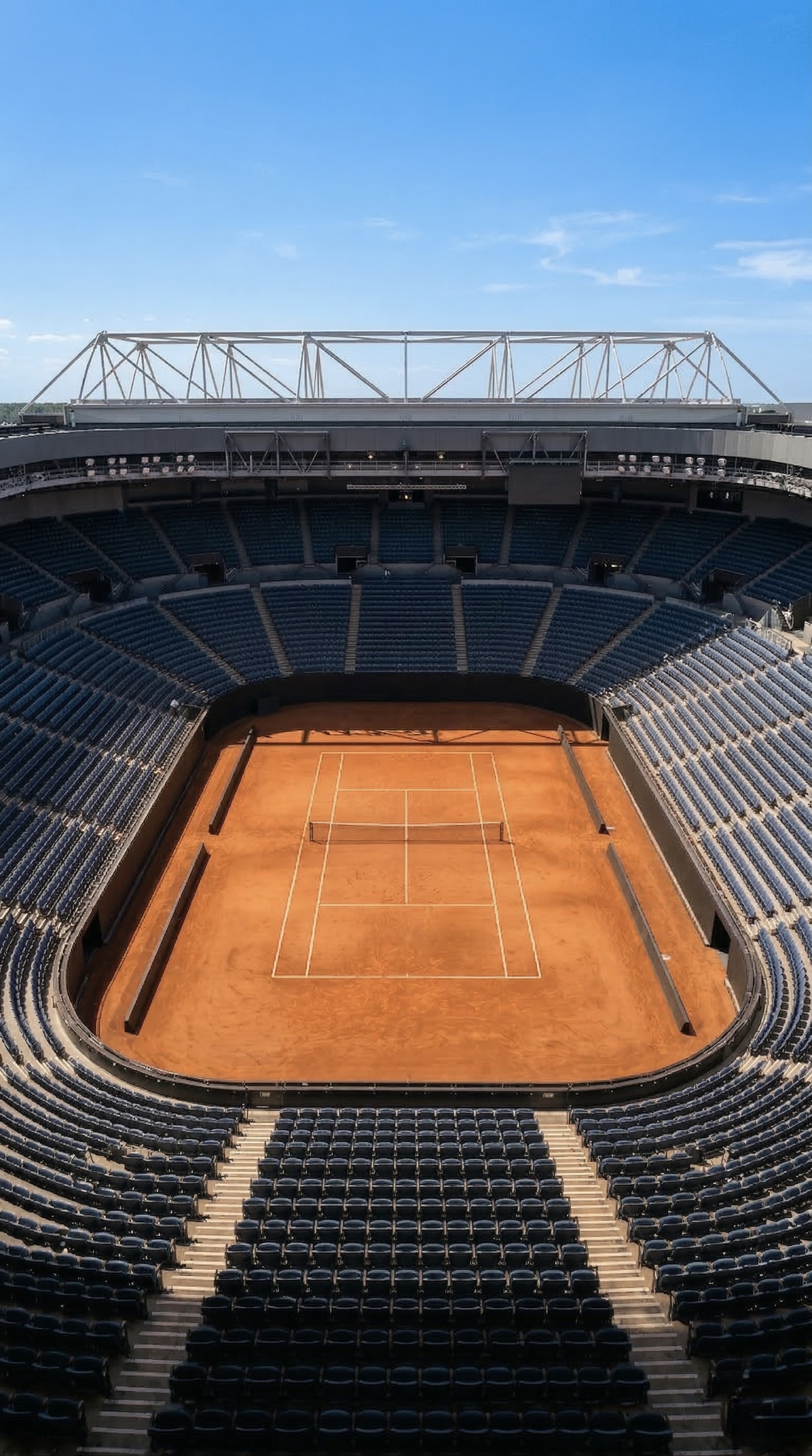
The dust has settled on Melbourne Park. Two weeks of fierce competition under the scorching Australian sun have produced a tale of two champions whose stories could not be more different. On one side, Jannik Sinner confirmed with almost unsettling authority that he is the undisputed king of men's tennis. On the other, Madison Keys delivered one of those fairy-tale narratives that only elite sport can produce. The 2025 Australian Open will be remembered for a long time.
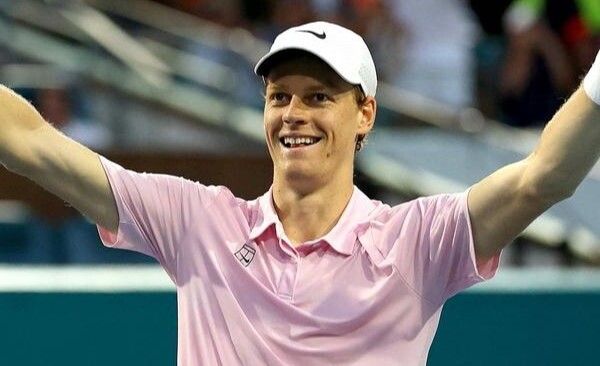
Jannik Sinner has entered a different stratosphere. The 23-year-old Italian glided through the Melbourne fortnight with a consistency that commands respect and, at times, borders on the surreal. Against Alexander Zverev in the final, he left absolutely nothing to chance. 6-3, 7-6(4), 6-3 in just over two hours: the scoreline barely captures the extent of his dominance over his German opponent. The most telling statistic from this final? Zero. Zero break points conceded by Sinner across the entire match. In a Grand Slam final, against one of the best returners on tour, that number is staggering.
This second consecutive Australian Open title, his third Grand Slam overall, outlines a reign that is only gathering momentum. Across the entire tournament, the Italian dropped just two sets in seven matches. His improvement since that first Melbourne triumph a year ago has been remarkable. The serve, once considered a work in progress, has become a formidable weapon. His forehand continues to shred defenses with that unique blend of raw power and surgical precision. But it is perhaps his mental fortitude that impresses most. Where other champions experience dips in concentration, flickers of doubt, Sinner appears to operate inside a bubble of psychological invincibility.
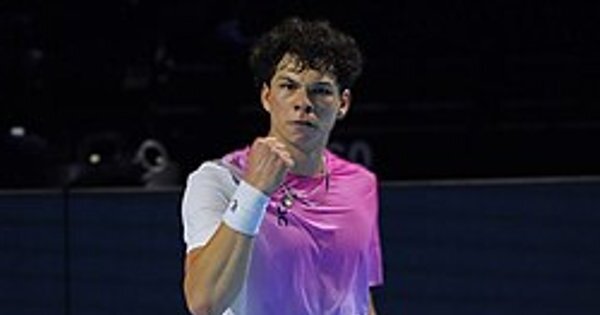
Zverev's run to the final deserves recognition, even if it came with an episode that cast a shadow over the tournament. In the semifinal, the German advanced after was forced to retire with a leg injury, trailing 6-7(5) after a tightly contested first set. Watching the 37-year-old Serb limp off the court drew a collective wince from the tennis world. It stung all the more because Djokovic had produced a masterful quarterfinal performance against Carlos Alcaraz, coming from a set down to dismantle the Spaniard 4-6, 6-4, 6-3, 6-4. That match was a vivid reminder that the old lion still possesses razor-sharp claws, capable of tactically dismantling an opponent two decades his junior. The injury that forced his withdrawal the following day made it all the more painful.
Zverev, for his part, did what he could with the hand he was dealt. Reaching a Grand Slam final remains a significant achievement, but against the Sinner machine, he ran out of answers. His baseline game, usually so dependable, crashed against a wall of relentless consistency and blistering pace. The German is still searching for that elusive maiden Major title, and the question is beginning to loom larger with each passing season: will he ever find the key to unlock that final door?
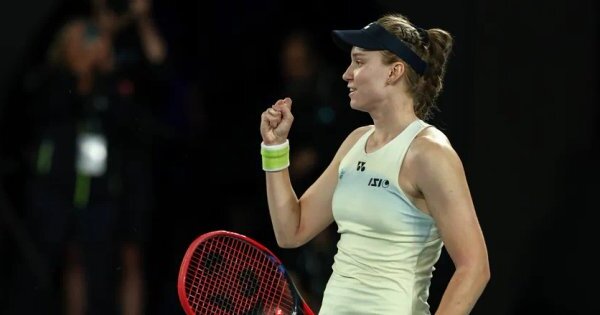
On the women's side, the narrative took a dramatically different shape. Madison Keys, 29 years old, authored the finest chapter of her career by claiming her first Grand Slam title. And what a title it was. The final against , the two-time defending champion in Melbourne, will stand as one of the defining moments of the 2025 edition. Keys prevailed 6-3, 2-6, 7-5 in a match that contained every twist and turn imaginable.
The opening set suggested Keys might steamroll the Belarusian. Her attacking tennis, her heavy hitting from both wings, and her fierce determination appeared unstoppable. But Sabalenka did not become world number one by accident. The second set saw the defending champion restore order with the brute force that has become her trademark. At two sets to six, Keys had to rebuild from scratch. The decider lived up to every expectation, swinging one way then the other, until the American summoned the reserves to close it out at 7-5. Her tears at match point moved the entirety of Melbourne Park.
This belated coronation vindicates everyone who always believed in Keys' enormous potential. A US Open finalist back in 2017, a regular fixture in the latter rounds of Majors, she had so often stumbled against that invisible barrier separating very good players from Grand Slam champions. In Melbourne, something shifted. Her path to the final was that of a player possessed, particularly in the semifinal against Iga Swiatek where she saved a match point before turning the contest on its head. That kind of moment, that brand of competitive survival on the very edge of elimination, is what forges champions.
Sabalenka, despite the defeat, reaffirmed her status as a dominant force in women's tennis. Her run to the final, including a semifinal victory over Paula Badosa, speaks to a level of consistency at the top that commands admiration. The Belarusian has nothing to be ashamed of, even if surrendering her Melbourne throne must leave a bitter taste.
Beyond the finals, the 2025 was brimming with surprises and acts of sporting courage. The opening round delivered a cascade of upsets. Young Brazilian Joao Fonseca, barely 18, toppled Andrey Rublev in a match that showcased a crystalline talent ready to burst onto the biggest stages. Learner Tien, an American prodigy, created headlines by eliminating Daniil Medvedev, the previous year's finalist. And then there was Gael Monfils, 38 years old, who knocked out fourth seed Taylor Fritz in one of those matches the Frenchman specializes in, blending showmanship, emotion, and shots that defy rational explanation.
These unexpected results tell a broader story about the state of men's tennis at the start of 2025. The generational shift is well underway. While Sinner sits atop the mountain with a composure reminiscent of the all-time greats, the rest of the hierarchy remains fluid, unpredictable, wide open. Young wolves like Fonseca and Tien are baring their teeth. Veterans like Monfils and Djokovic are proving they still have plenty to say, even as time takes its inevitable toll.
Women's tennis is navigating an equally thrilling period. The emergence of players capable of shaking the establishment, Keys' resurgence to the forefront, the lasting strength of Sabalenka and Swiatek: all of it promises a 2025 season packed with drama. Keys' victory demonstrates that in this sport, perseverance eventually pays its dividends. Seven years after her first Grand Slam final, the American has finally cracked the code.
Melbourne 2025 will also be remembered as the tournament where Sinner seized definitive control. His clinical tennis, his ability to elevate his game in the critical moments, and his impeccable match management make him the natural favorite for every Grand Slam to come. The question is no longer whether he will win more Major titles, but how many. With three trophies in hand at 23 and visible room for further growth, even the most ambitious projections do not seem unreasonable.
The 2025 delivered everything tennis does best: stories of dominance and defiance, surprises that upend certainties, raw emotions that transcend the sporting arena. Sinner and Keys leave Melbourne with a trophy in hand and the certainty of having written a memorable page in the history of their sport. The rest of the season promises to be captivating.