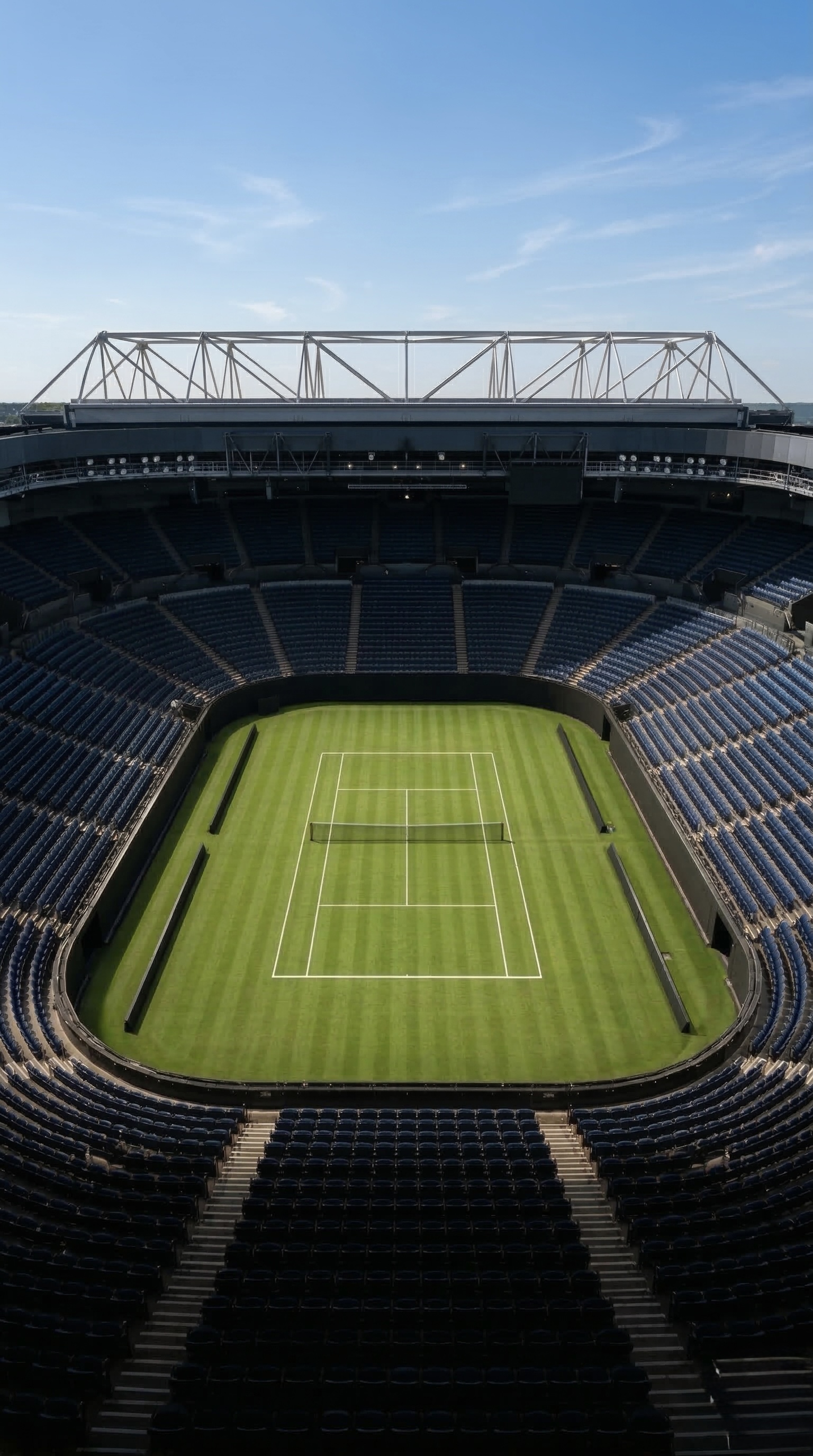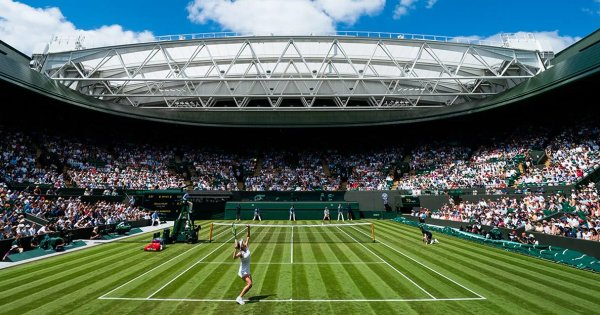
In 48 hours, the first forehand will be struck on Centre Court. Wimbledon 2026, the 139th edition of the Championships, looks set to be one of the most open in the last decade. Before the action begins on Monday, June 29, five questions that will define the fortnight.
Can Jannik Sinner retain his title? The world No. 1 returns to Wimbledon in a position of strength on the rankings, but with mixed signals. His early exit at Roland-Garros, marked by physical struggles in the Paris heat, reignited questions about his stamina management. The Italian chose not to play a grass-court warm-up event, opting instead for a targeted training block. A deliberate gamble. He says he feels "well-prepared" and has made "small adjustments" to his fitness regime. His 2025 victory, his first All England Club crown, gave him the confidence of a champion who knows he can win here. But the lack of match play on grass remains a risk against opponents sharpened by Halle or Eastbourne.
Can Serena Williams's comeback transcend the symbolism? At 44, the 23-time Grand Slam champion returns to Wimbledon singles. The announcement electrified the tennis world. Novak Djokovic called the comeback "epic," an inspiration "for millions around the world." Johanna Konta pointed to the "big question": singles, doubles, or both? On paper, the obstacles are enormous. The former world No. 1 has not played an official singles match since the 2022 US Open. Grass, the surface of her seven Wimbledon titles, remains her best friend, however. Never underestimate Serena at the All England Club.
Can Djokovic, at 39, still spring a surprise? A seven-time champion on Centre Court, the Serb targets a 25th Grand Slam title that would push him further into legend. His draw, in the same half as Sinner, promises a potential semifinal clash. Djokovic has streamlined his schedule and channels all his energy into the biggest stages. At Wimbledon, where experience counts more than anywhere else, he remains a credible contender as long as he can sustain five sets physically.
Who will emerge from the women's draw? defends her title, but her quarterfinal loss at Bad Homburg to sows doubt. The Pole excels on clay, and her grass-court adaptation remains a work in progress. On the other side, arrives riding the momentum of a third Eastbourne title, and proved at Bad Homburg that her variety-based game is a formidable weapon on grass. , despite her foot concern, remains capable of brilliant runs on fast surfaces. The women's draw promises to be as unpredictable as it is compelling.
How will technology change the game? For the first time in its history, Wimbledon introduces video review. Players will be able to challenge certain calls on Centre Court, Court No. 1 and four other show courts during singles matches. It marks a break with the All England Club's tradition, which had long resisted this evolution. The system, combined with a record prize purse of £64.2 million (a 20% increase on 2025), signals Wimbledon's entry into a new era without surrendering its identity.
First ball on Monday, June 29. Wimbledon's grass has new stories to tell.