A year ago, Valentin Vacherot sat at 204th in the world rankings, quietly grinding through qualifying draws. On Monday, he will enter the Top 20 for the first time in his career. Between those two points lies a six-month transformation that reads like a sporting fairy tale.
The turning point came in Shanghai last autumn. Having emerged from qualifying, the Monegasque surprised the field by reaching the third round of the Chinese Masters 1000. A result that could have remained a footnote instead became a catalyst. Since then, Vacherot has strung together solid Challenger performances before confirming his rise at the highest level in 2026.
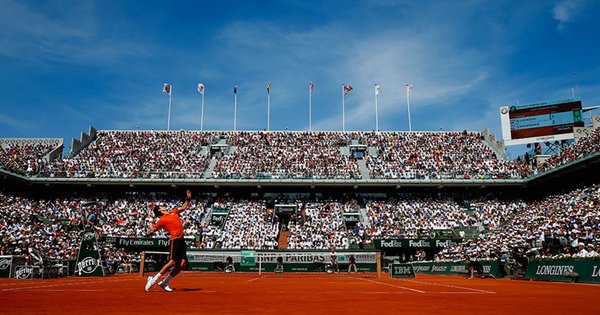
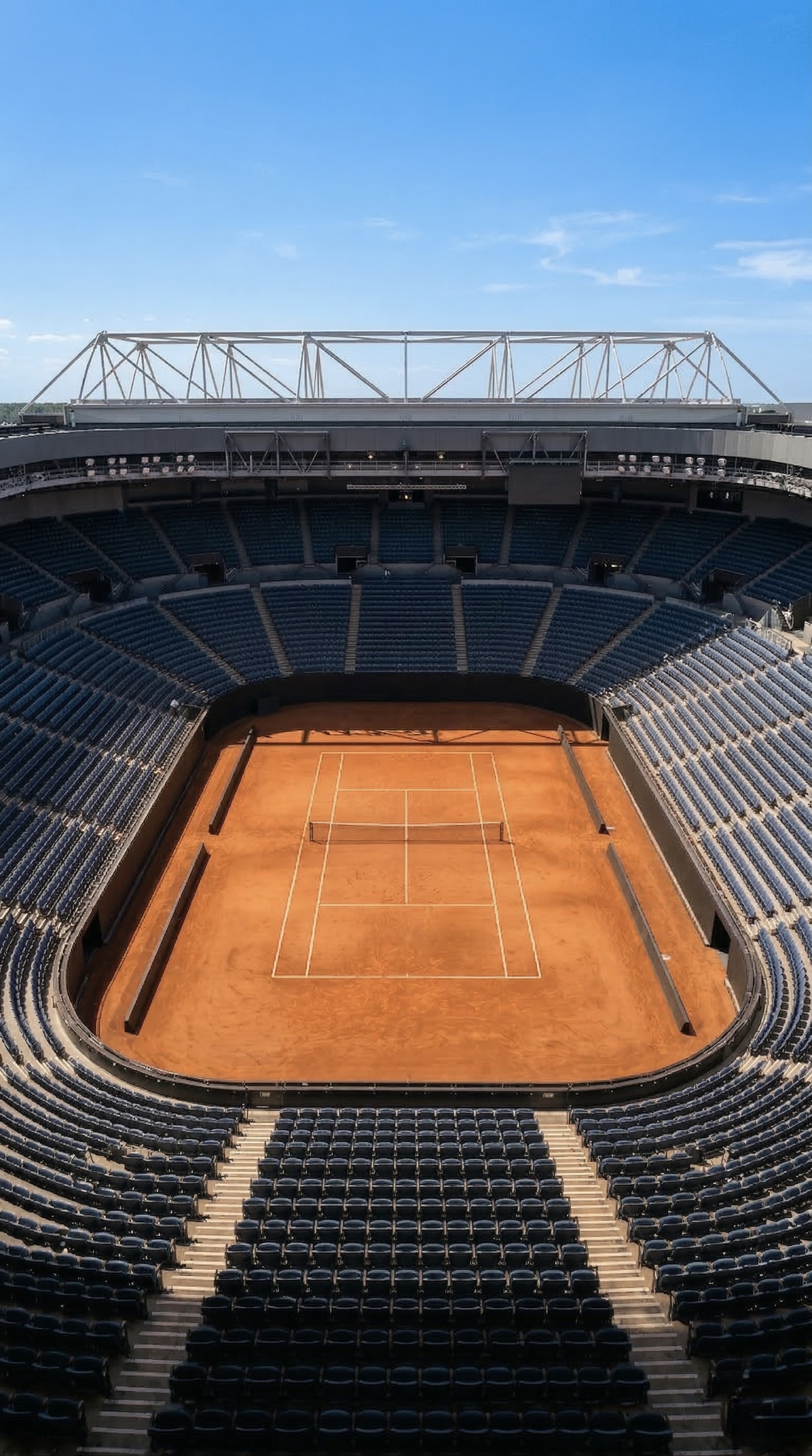
At Monte-Carlo, the past week changed everything. On the Country Club's red clay, buoyed by a home crowd firmly behind him, the 27-year-old eliminated Juan Manuel Cerundolo, world No. 4 Lorenzo Musetti, Hubert Hurkacz, and world No. 5 Alex de Minaur, saving 13 break points along the way in his quarterfinal (via atptour.com). Four wins including two against top-5 players, all at a Masters 1000, a run that defies the odds.
His semifinal against Carlos Alcaraz ended in a straight-sets defeat (4-6, 4-6), but the scoreline undersells the intensity. Vacherot held his own against the eventual finalist for nearly ninety minutes, proving he was no accidental tourist at that stage. He put it simply after the match: "I will have those memories for the rest of my life" (via atptour.com).
Vacherot's playing style partly explains his rise. A big server by clay-court standards, he combines a powerful first delivery with a relentless desire to move forward. At Monte-Carlo, he won 65% of his net points against Musetti, an unusually high rate on this surface. His ability to shorten rallies and dictate tempo allows him to compete with more technically complete opponents.
The man behind the player is equally intriguing. Born in Monte-Carlo and educated at the University of Virginia in the United States, Vacherot embodies an unconventional path in professional tennis. While most Top 20 players were identified as teenagers by academies and federations, the Monegasque built his career brick by brick, far from the spotlight, grinding through Futures and Challengers before breaking through on the main tour at an age where others have already started declining.
The clay-court season is only beginning, and Vacherot knows it. He noted in his press conference that "beautiful tournaments are coming, all the way to Roland-Garros" (via atptour.com). With a ranking that now guarantees direct entry into every major draw, the Monegasque no longer needs to navigate qualifying. The question is no longer whether he can compete with the elite, but whether he can stay there.