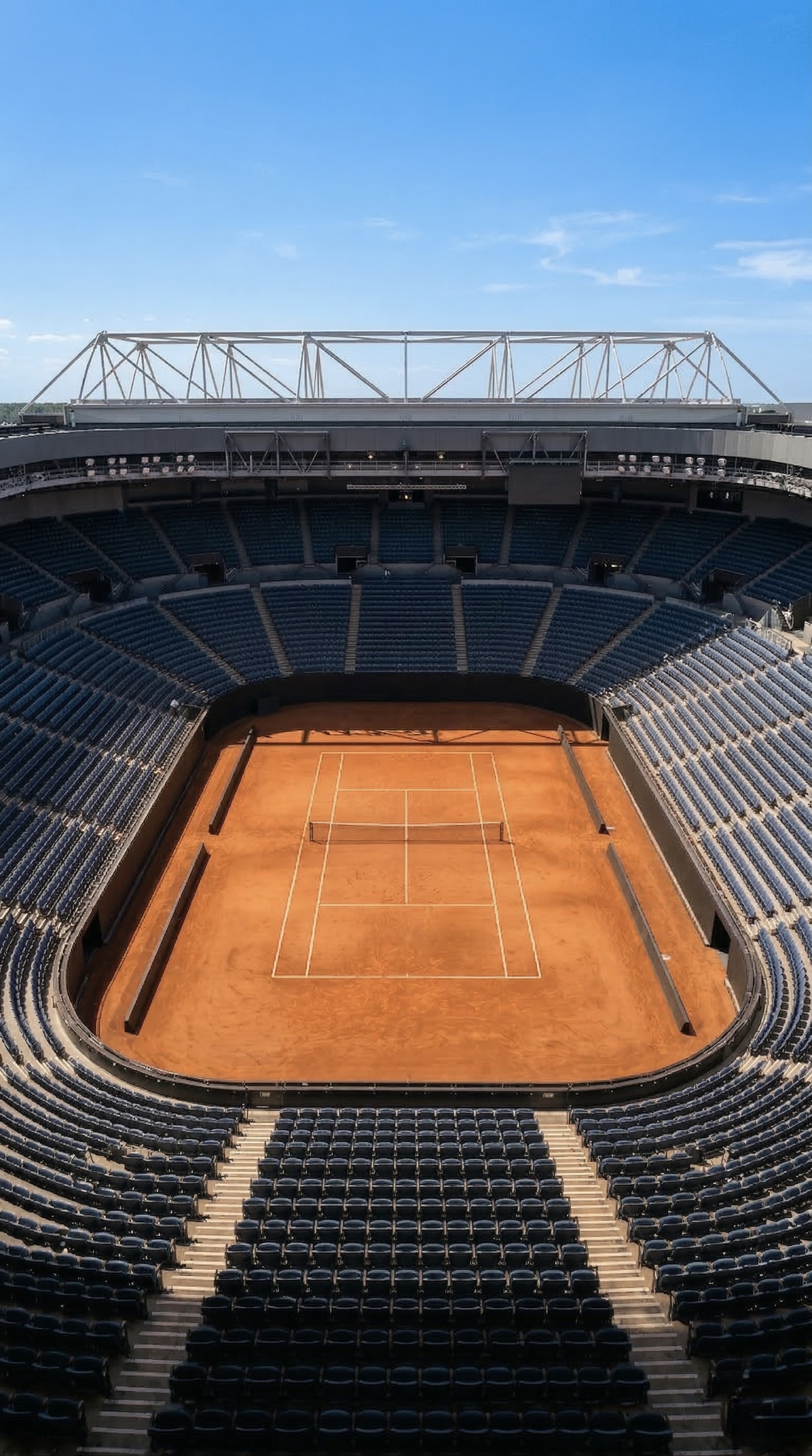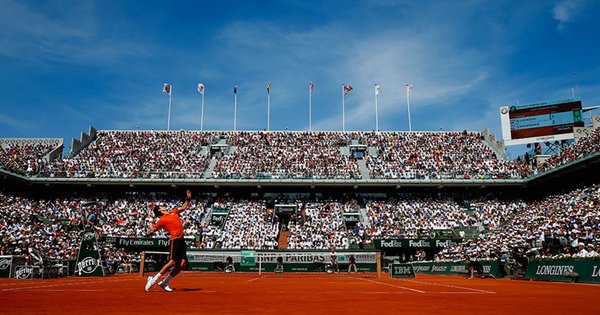
Roland-Garros 2026 will go down in history as the most unpredictable edition of the Paris major. In just two rounds, 29 seeds have been eliminated, including world No. 1 Jannik Sinner and several of the tournament's most anticipated contenders.
The first round set the tone with fifteen early departures. On the men's side, Daniil Medvedev, the sixth seed, fell to Australia's Adam Walton in five sets (6-2, 1-6, 6-1, 1-6, 6-4). Taylor Fritz, seventh seed, suffered the same fate against compatriot Nishesh Basavareddy in four sets. Alexander Bublik (9) and Jiri Lehecka (12) also packed their bags early.
On the women's side, Jessica Pegula, the fifth seed, was stunned by Australia's Kimberly Birrell (6-1, 3-6, 3-6) in her opening match. The defeat immediately blew open the bottom half of the draw.
The second round exceeded all expectations for drama. Sinner, unbeaten in thirty matches and the overwhelming favorite, suffered a physical collapse against Juan Manuel Cerundolo. Leading 6-3, 6-2, 5-1, the Italian was struck by cramps and lost 3-6, 2-6, 7-5, 6-1, 6-1 in a scenario worthy of a movie script.
On the same day, (5) was swept aside by Belgium's in straight sets (6-4, 7-5, 6-4). , the second women's seed and reigning Australian Open champion, was knocked out by world No. 55 Daria Starodubtseva (3-6, 6-1, 7-6).
The punishing Parisian heat played a decisive role in several of these defeats. Sinner was not the only one to struggle physically, and the conditions clearly favored players best prepared for clay-court endurance.
Who benefits from this upheaval? , solid through his first two matches, finds himself the last former Grand Slam champion standing. , the second seed, inherits a clearing path to the quarterfinals. and see their most dangerous rivals disappear ahead of schedule.
This Roland-Garros reminds us of a fundamental truth: clay remains the most demanding surface, where fitness, patience, and adaptability make all the difference. Favorites on paper are never favorites on Parisian clay.