Maja Chwalińska was ranked 114th in the world a month ago and needed to survive qualifying just to set foot on Roland-Garros clay. Today, the 24-year-old Pole is ranked 21st, a Grand Slam finalist, and a government-funded athlete. The trajectory defies fiction.
The Polish Sports Ministry confirmed a monthly grant of $2,615, totaling $31,380 over twelve months, the maximum available under national funding regulations. Sports Minister Jakub Rutnicki did not hide his enthusiasm: "Determination, consistency and hard work can lead to the very top, as Maja Chwalińska's story shows."
The financial support, modest compared to the $1.63 million in prize money she earned at Roland-Garros, carries strong symbolic weight. Chwalińska endured difficult years marked by depression and a plummeting ranking. The state grant formalizes her renaissance in the eyes of the Polish sports establishment and provides a safety net for the months ahead.
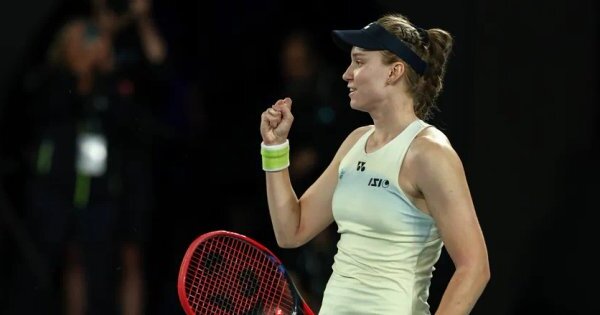
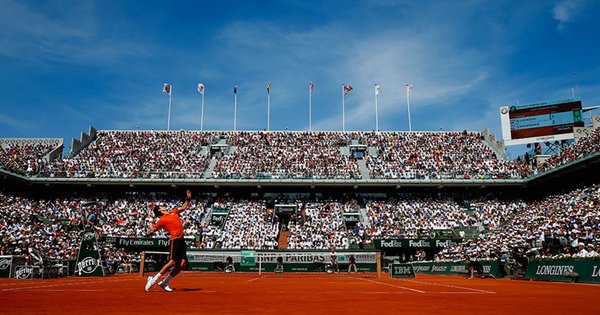
Her Parisian run remains one of the defining moments of the season. The first qualifier to reach the Roland-Garros women's final, she amassed 1,340 ranking points in under a month, launching her career into another dimension. The final against Andreeva ended in defeat, but the momentum is undeniable.
The Wimbledon question looms. Chwalińska was ranked outside the top 100 at the May 18 entry deadline, meaning she faces qualifying or needs a wildcard. The All England Club's decision is due June 17. "I don't expect it, but I'll see. I will treat it as a challenge. Grass is always a nice kind of change," she said, true to her relaxed nature.
A delightful detail: between matches at Roland-Garros, Chwalińska received bundles of crossword puzzles as gifts, her off-court passion. A character trait that says much about a player whom nothing predestined for this path, and whom everything now pushes forward.